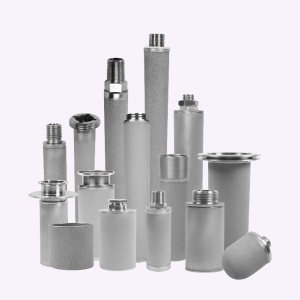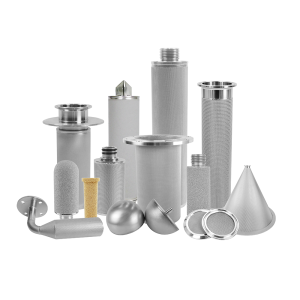
In harsh working conditions such as oil refining, fine chemical processing, and high-temperature flue gas purification, the selection of filter elements directly determines the long-term stable operation of the entire production line. However, statistics from Huahang’s technical service team over the past five years reveal that more than 90% of factories make at least one critical error when selecting filter media for these applications. These mistakes often lead to premature media failure, unplanned production line shutdowns, and even safety hazards. Today, we will break down the three most common selection pitfalls in the industry to help you avoid unnecessary production losses.
The first common mistake: focusing only on filtration accuracy while completely ignoring the mechanical strength redundancy of the filter media.
When selecting filter media, many factories only check whether the nominal filtration accuracy of the filter media meets the process requirements, but completely fail to consider variables such as instantaneous pressure fluctuations and media flow velocity impacts that exist in the working conditions. Under high-pressure conditions, the system’s transient differential pressure can easily reach 1.5 to 2 times the nominal operating pressure. Standard multi-layer sintered mesh is prone to deformation under such stress; the mesh openings stretch and enlarge, rendering the nominal 10μm rating ineffective. Consequently, large quantities of impurities penetrate the filter medium and enter downstream processes, directly damaging high-precision production equipment.
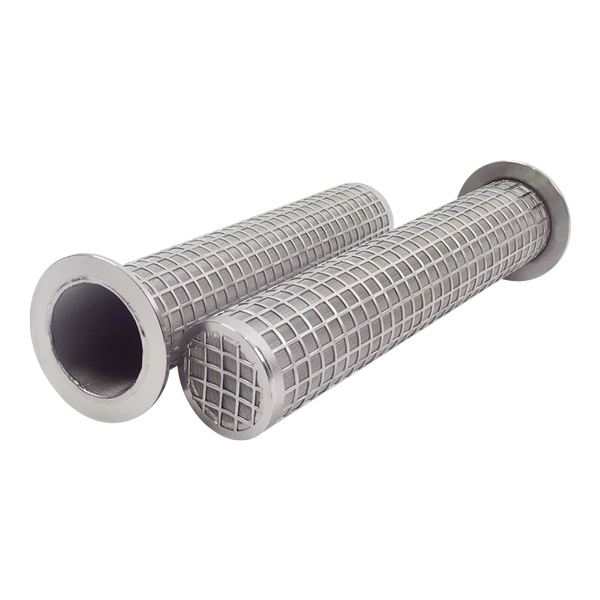
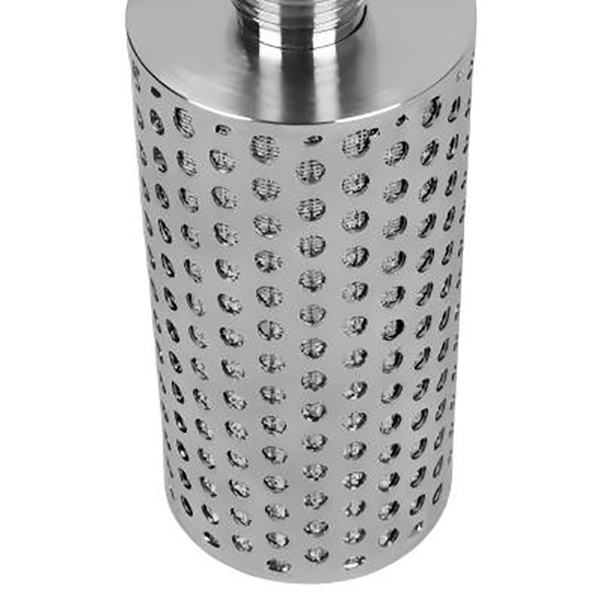
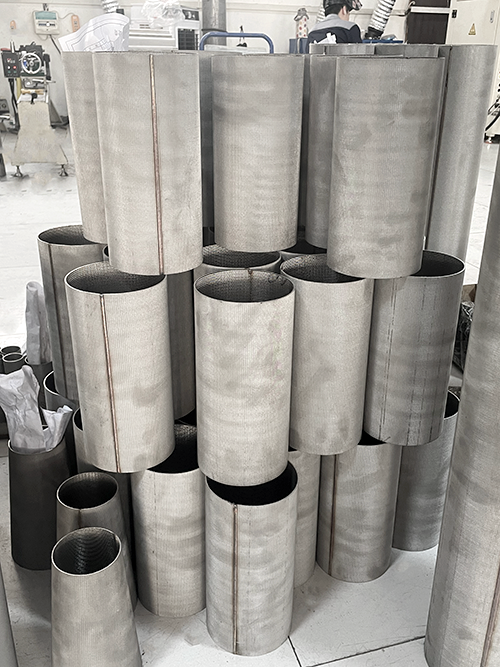
Huahang once encountered a lubricating oil manufacturer that used unsupported standard sintered mesh elements; during a transient pressure surge, the filter medium was breached, contaminating the entire batch of finished oil with metal impurities and resulting in direct economic losses exceeding 200,000 RMB. In contrast, Huahang’s composite perforated-plate sintered mesh utilizes a high-strength stainless steel perforated plate as an integral support framework. It remains undeformed even under transient differential pressure shocks of 2.0 MPa, maintaining consistent filtration accuracy and completely eliminating the risk of failure due to insufficient strength.
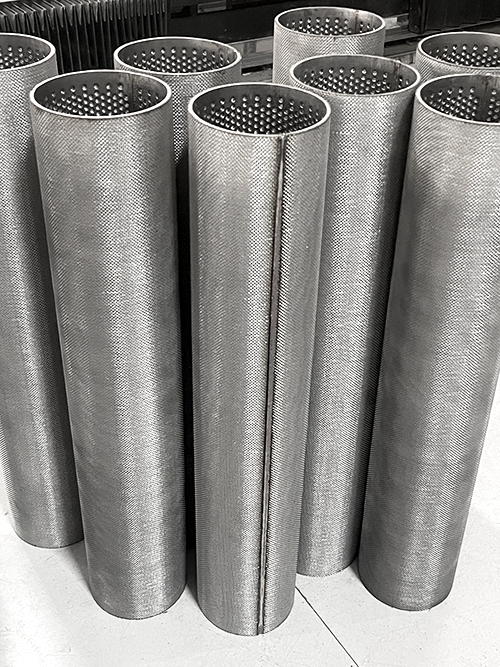
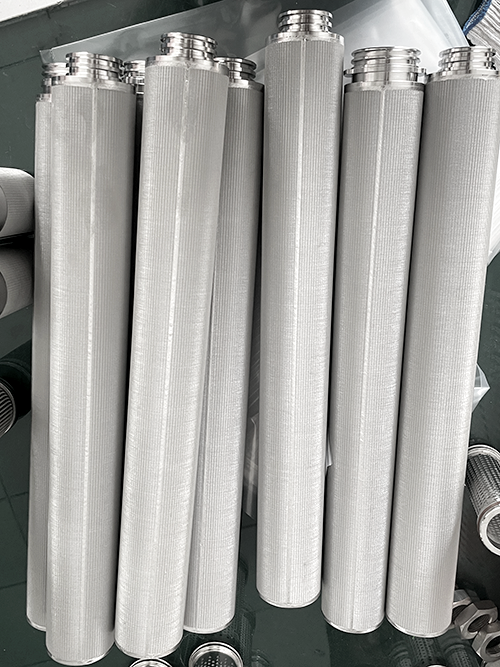
The second typical mistake: equating “maximum withstand temperature” with “long-term operating temperature”.
Almost all metal filter materials have a maximum withstand temperature listed in their parameter tables, but many factories set this value directly as the daily operating temperature, which is a very dangerous practice. When ordinary multi-layer woven sintered mesh is operated for extended periods at temperatures close to the maximum withstand temperature, stress relaxation will occur at the weld points of the metal wire mesh. The standard sintered and fixed mesh layers will gradually delaminate and fall off, directly destroying the overall structure of the filter material. The correct selection logic should be that the long-term operating temperature of the filter media is at least 150°C lower than the nominal maximum withstand temperature, and at the same time, priority should be given to filter media with an integrated sintered composite structure.
Huahang’s composite perforated-plate sintered mesh utilizes a vacuum diffusion sintering process that fuses all mesh layers and the perforated plate skeleton into a single, unified component. This ensures stability during long-term operation at 400°C without delamination or stress relaxation, offering structural stability far superior to standard sintered mesh.
The third hidden mistake: ignoring the latent corrosive factors of the working medium and selecting the model only based on the composition of the main medium.
Many factories select filter media materials based solely on the main components of the medium, neglecting the trace amounts of corrosive impurities such as chloride ions and sulfides in the medium. Over time, these impurities can cause pitting corrosion on ordinary stainless steel filter media, eventually leading to penetrating damage. Such corrosion-related failures are often sudden, lacking obvious early warning signs, and are difficult to detect during routine inspections. For these complex corrosive conditions, Huahang’s technical team first conducts a full-component analysis of the customer’s medium. Based on the content of trace corrosive impurities, we customize composite perforated plate sintered mesh made of special materials such as 316L and duplex steel. At the same time, they optimize the surface treatment process to significantly improve the filter media’s resistance to pitting corrosion, allowing the actual service life of the filter media to far exceed the industry average.
If you are struggling to select filter media for high-pressure, high-temperature applications, Huahang offers a free operational parameter assessment service. We can help identify potential risks in your current filtration system’s specifications and provide a safer, more stable upgrade solution.
x高152-3.jpg)