
Standard 5-Layer Sintered Wire Mesh
The standard 5-layer sintered wire mesh is one of the most widely used stainless steel sintered mesh filter materials for industrial precision filtration. Manufactured by laminating multiple layers of woven stainless steel wire mesh and bonding them through high-temperature vacuum sintering, it forms a rigid, porous metal structure that combines excellent filtration performance with outstanding mechanical strength.
Unlike conventional single-layer wire mesh, the standard 5-layer construction integrates five functional mesh layers into a single piece of sintered metal mesh, allowing it to achieve precise particle retention while maintaining high pressure resistance, corrosion resistance, permeability, and long service life. This unique structure effectively overcomes the common trade-off between filtration accuracy and structural strength found in traditional filter media.
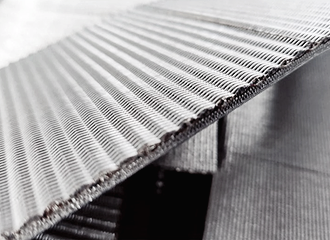
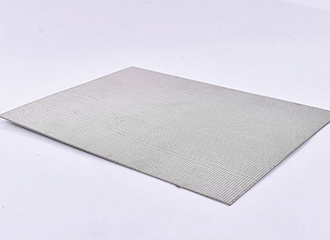
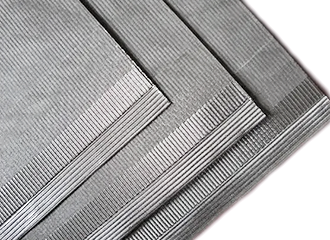
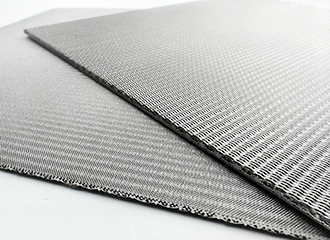
The standard material is available in SUS304 and SUS316L stainless steel, while duplex stainless steel, Hastelloy, Inconel, Monel, nickel alloys, and other special materials can be supplied for highly corrosive or high-temperature operating environments. The finished sheet has a standard thickness of approximately 1.7 mm, with common stock sizes including 500 × 1000 mm and 1000 × 1200 mm. Custom dimensions, cutting, and fabrication are also available to meet specific project requirements.
According to its excellent formability and weldability, standard 5-layer sintered wire mesh can be further processed into a wide range of filtration components, including sintered filter discs, filter plates, filter tubes, filter cylinders, candle filters, pleated filter cartridges, and custom stainless steel filter elements. It is widely used for liquid filtration, gas filtration, hydraulic systems, polymer melt filtration, catalyst recovery, steam filtration, chemical processing, pharmaceutical production, food and beverage processing, water treatment, environmental protection, energy, metallurgy, and aerospace applications where reliable, high-performance filtration is essential.
Structure of Sintered Metal Mesh Layer
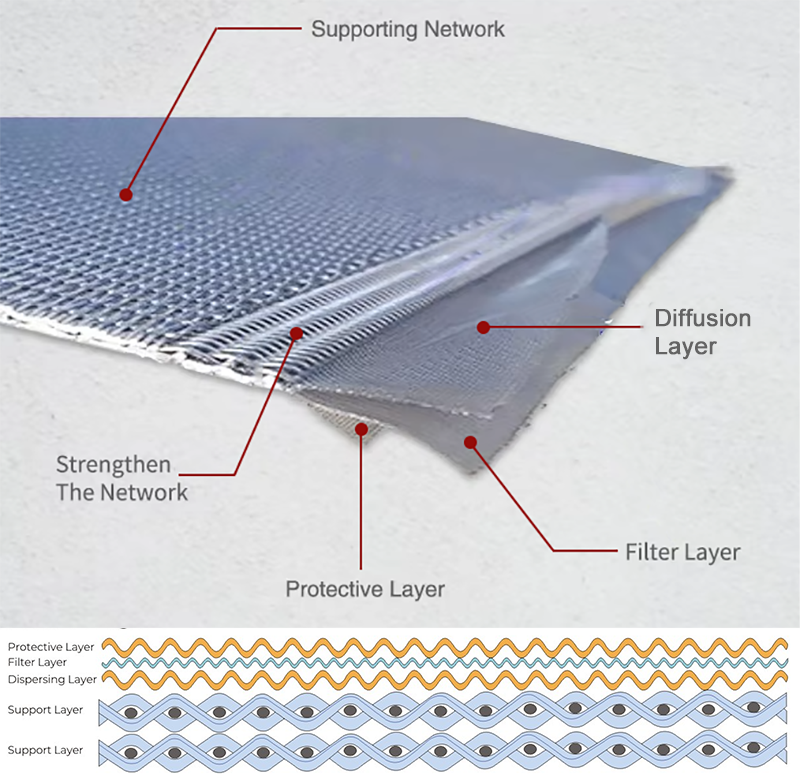
The standard five-layer sintered mesh is not a simple stacking of five layers of wire mesh, but is precisely arranged according to the functional logic of "protection-filtration-diversion-support". Each layer features a specifically designed mesh count, wire diameter, and weave pattern, and the layers are ultimately bonded metallurgically through vacuum sintering to form a rigid, integrated structure.
• Protective Layer (80–100 μm)
The outer protective layer is made of high-strength coarse stainless steel wire mesh. It absorbs the impact of incoming fluid, captures large contaminants, and protects the precision filter layer from abrasion and premature clogging. This layer improves durability and extends the overall service life of the sintered mesh filter.
• Precision Filter Layer (2–20 μm)
The precision filter layer is the core of the 5-layer sintered wire mesh and determines the final filtration rating. Its uniformly distributed pore structure provides stable surface filtration with micron ratings ranging from 1 to 300 μm, ensuring high filtration efficiency, consistent particle retention, and reliable separation performance.
• Flow Distribution Layer (40–60 μm)
Also known as the diffusion layer, this layer evenly distributes the filtered fluid after it passes through the precision filter layer. It minimizes localized pressure loss, promotes uniform flow across the filter media, and enhances backwashing efficiency by providing balanced flow channels during cleaning.
• Support Layer (200–300 μm)
The support layer reinforces the filtration structure by distributing mechanical loads and resisting deformation under high differential pressure. It provides stable backing for the precision filter layer, maintaining pore integrity and ensuring consistent filtration performance during long-term operation.
• Support Frame Layer (1–2 mm)
The bottom frame layer serves as the primary structural support of the sintered mesh. Manufactured from heavy-duty stainless steel mesh with high mechanical strength, it withstands compression, bending, and pressure shocks without requiring additional reinforcement, making the filter suitable for demanding high-pressure industrial applications.
Huahang Sintered Mesh Specifications
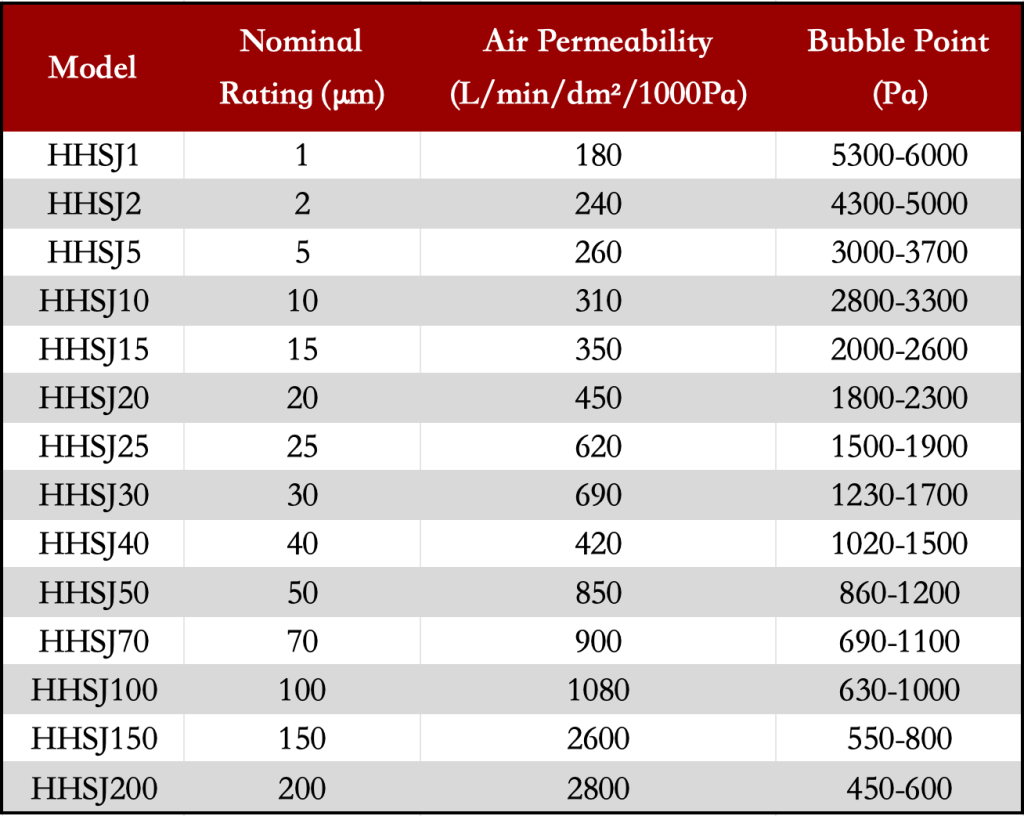
Note :Size within the above range can be customized upon request.
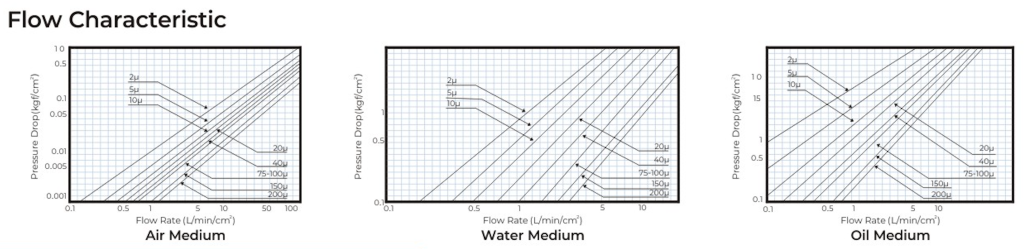
Key Features of Sintered Metal Mesh
• High Mechanical Strength
The five-layer metallurgical bonding process creates a rigid, integrated structure with compressive strength of up to 30 MPa. It resists pressure shocks, bending, and deformation, making it ideal for high-pressure filtration systems.
• Stable Filtration Accuracy
The precision filter layer provides uniform surface filtration from 1 to 300 μm. Its pore structure remains stable under pressure, ensuring consistent filtration performance without pore migration or particle shedding.
• Excellent Temperature Resistance
Standard 304 and 316L stainless steel sintered mesh operates continuously from -200°C to 650°C. It performs reliably in both cryogenic applications and high-temperature gas or liquid filtration.
• Outstanding Corrosion Resistance
Available in SUS304, SUS316L, and special alloys, the filter offers excellent resistance to acids, alkalis, seawater, and corrosive process media. It is well-suited for demanding chemical, pharmaceutical, and marine applications.
• Backwashable & Reusable
The surface filtration design allows contaminants to remain on the outer layer for easy removal. The filter can be regenerated by backwashing, ultrasonic cleaning, chemical cleaning, or thermal treatment, providing long service life and lower operating costs.
• Easy to Fabricate
Sintered mesh sheets can be cut, bent, rolled, stamped, and welded into filter discs, filter cartridges, filter tubes, cones, and other custom filter elements. This provides excellent flexibility for OEM and customized filtration solutions.
• Clean & Hygienic Construction
The fully sintered structure eliminates wire loosening and media shedding during operation. With no fiber release or contamination, it meets the cleanliness requirements of food, beverage, pharmaceutical, and other sanitary industries.
Multi-Layer Sintered Wire Mesh
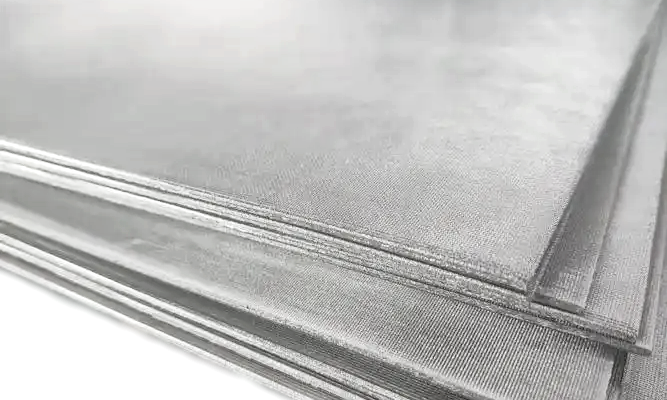
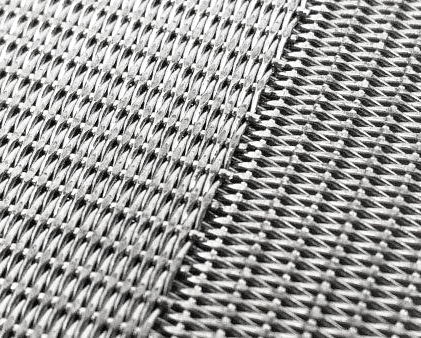
Multi-Layer Sintered Mesh is a high-performance porous filtration material manufactured by laminating multiple layers of woven stainless steel wire mesh and permanently bonding them through a high-temperature vacuum sintering process. Compared with conventional woven wire mesh, the sintered structure provides significantly higher mechanical strength, stable pore distribution, and consistent filtration performance while maintaining excellent permeability.
Available in SUS304, SUS316L, and other corrosion-resistant alloys, multi-layer sintered mesh offers filtration ratings from 1 to 300 μm and performs reliably under high pressure, extreme temperatures, and corrosive operating conditions. The rigid metallurgical bond prevents mesh displacement during operation, ensuring uniform surface filtration, long service life, and excellent resistance to pressure shock and repeated backwashing.
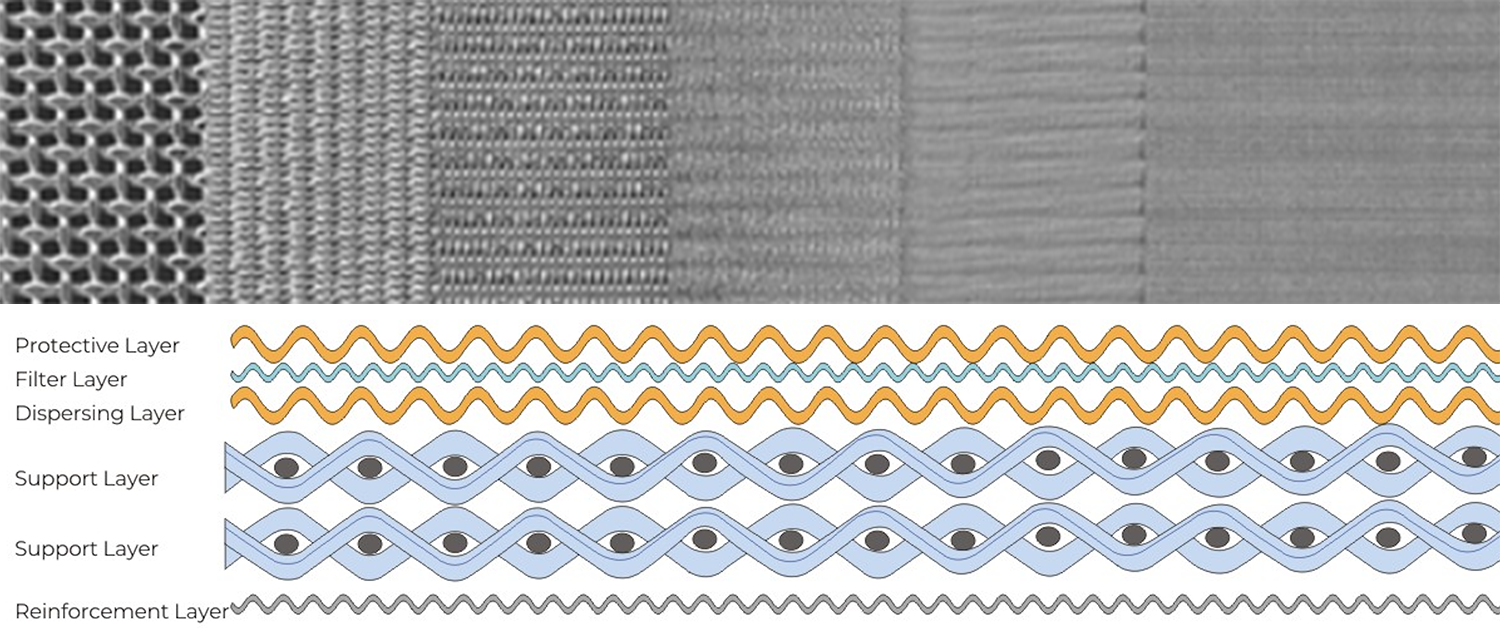
Main Advantages of Multi-Layer Sintered Metal Mesh
With over 20 years of manufacturing experience, Huahang provides high-quality multi-layer sintered mesh and customized filtration solutions for customers worldwide. Every sheet is produced under strict quality control to ensure reliable performance, consistent quality, and dependable delivery for demanding industrial environments.
♦ High Strength & Stable Performance
The multi-layer sintered structure delivers outstanding mechanical strength and pressure resistance while maintaining stable pore geometry, making it suitable for demanding high-pressure filtration systems.
♦ Superior Filtration & Long Service Life
Uniform pore distribution provides precise surface filtration with excellent contaminant retention. The filter media can be regenerated through backwashing or ultrasonic cleaning, significantly extending its service life.
♦ Excellent Resistance to Heat & Corrosion
Manufactured from premium stainless steel and specialty alloys, the mesh performs reliably in temperatures from -200°C to 650°C and resists acids, alkalis, seawater, and other aggressive process media.
♦ Flexible Fabrication for Custom Applications
Multi-layer sintered mesh can be easily cut, welded, bent, stamped, and formed into a wide variety of filtration components. Huahang also provides OEM and custom manufacturing services to meet specific filtration requirements across different industries.
Specialty Sintered Filter Media
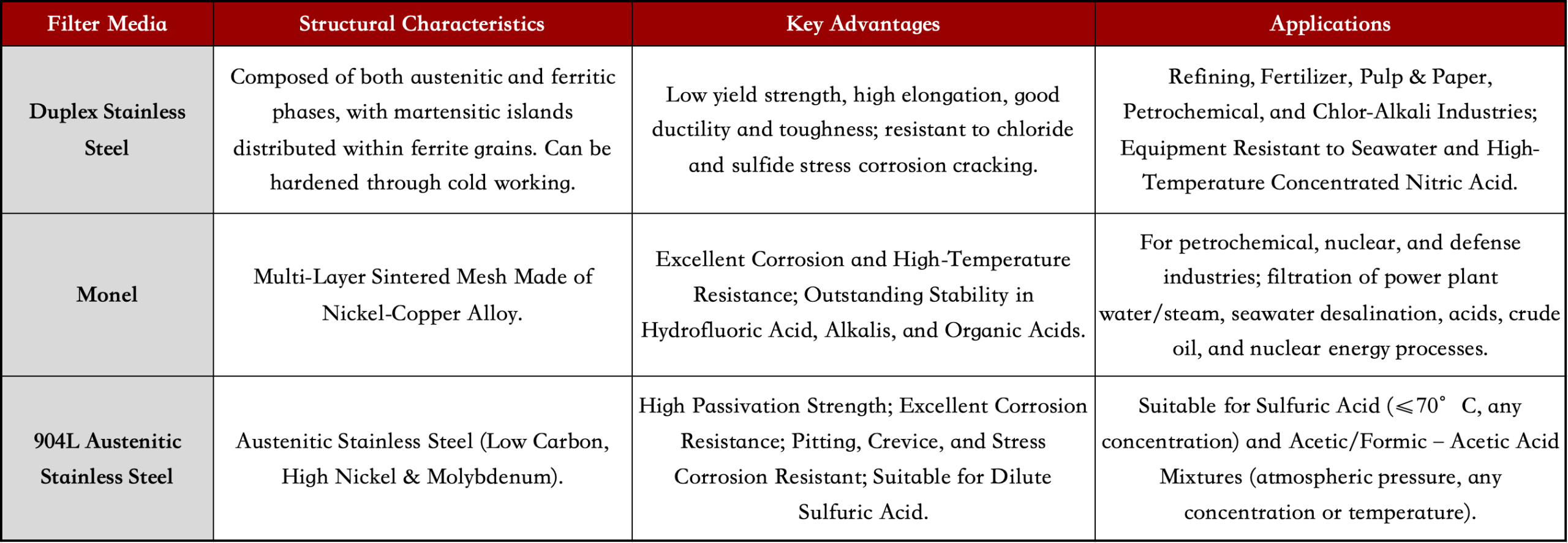
Huahang can supply sintered wire mesh that is made from special metal materials, such as duplex stainless steel, monel, and 904L austenitic stainless steel. These materials usually need to be customized and are typically used for high-corrosion, high-temperature, and strong acids/alkalis. Retaining core sintered mesh filtration performance for demanding industrial applications.
Frequently Asked Questions
Find answers to common questions about our sintered filter products, customization options, technical specifications, and ordering process.
Production technologies of stainless steel sintered wire mesh.
The production of Huahang standard five-layer sintered mesh employs high-precision control processes to ensure consistent performance across every batch:
Base Material Selection: Stainless steel woven mesh meeting national standards is selected. Each layer undergoes a comprehensive inspection for wire diameter, mesh count, and flatness; defective materials are discarded to guarantee pore uniformity at the source.
Precision Layering: The five mesh layers are aligned and stacked according to a preset functional sequence and secured using specialized tooling. This prevents interlayer misalignment and ensures that each layer effectively performs its specific role in flow distribution and structural support.
In-Mold Pre-pressing: The stacked mesh assembly is placed into a high-precision mold for cold pressing. This step establishes the initial overall thickness and ensures tight contact between layers, laying the groundwork for the subsequent sintering process.
Vacuum High-Temperature Sintering: The pre-pressed assembly is processed in a vacuum sintering furnace at approximately 1100°C. This facilitates solid-state diffusion bonding between the metal layers, creating strong metallurgical bonds at contact points and resulting in a rigid, integrated structure.
Precision Rolling: Following sintering, the sheet undergoes precision rolling to fine-tune thickness and porosity, ensuring uniform flow resistance across the entire filter medium.
Performance Testing: Each batch of Huahang’s sintered metal mesh will undergo rigorous testing for filtration precision, air permeability, compressive strength, and structural integrity. Products are approved for warehousing and delivery only after meeting all specifications.
Key features of 2205&2507 Duplex Stainless Steel Sintered Wire Mesh.
Structure Characteristics:
The duplex stainless steel is composed of both austenitic and ferritic phases, with martensitic islands distributed within ferrite grains, and can be hardened through cold working.
Key Advantages:
Huahang duplex stainless steel 2205/2507 features low yield strength, high elongation, good ductility, and toughness. It has great resistance to chloride and sulfide stress corrosion cracking.
Industrial Applications:
Refining, Fertilizer, Pulp & Paper, Petrochemical, and Chlor-Alkali Industries; Equipment Resistant to Seawater and High-Temperature Concentrated Nitric Acid.
Which conditions should I ues Monel Sintered Meshes?
Monel alloy sintered wire mesh is a kind of multi-layer sintered mesh made of nickel-copper alloy.
Monel sintered mesh has excellent corrosion and high-temperature resistance, with outstanding stability in hydrofluoric acid, alkalis, and organic acids.
It can be widely used for petrochemical, nuclear, and defense industries; filtration of power plant water/steam, seawater desalination, acids, crude oil, and nuclear energy processes.
Description of 904L Austenitic Stainless Steel.
Structure Characteristics:
Austenitic Stainless Steel (Low Carbon, High Nickel & Molybdenum).
Key Advantages:
High Passivation Strength; Excellent Corrosion Resistance; Pitting, Crevice, and Stress Corrosion Resistant; Suitable for Dilute Sulfuric Acid.
Industrial Applications:
Suitable for Sulfuric Acid (≤70°C, any concentration) and Acetic/Formic–Acetic Acid Mixtures (atmospheric pressure, any concentration or temperature).
Ready to Discuss Your Filtration Needs?
Contact Huahang Filter to receive professional technical support and customized filtration solutions.