
Metal Porous Power Sintered Filter Factory
What is Sintered Metal Powder Filter ?
Metal powder sintered filter elements are porous metal filter elements made from metal powder. Common materials include stainless steel powder, titanium powder, bronze powder, and Inconel/Hastelloy powder. Metal powders are processed through sieving and filling, cold pressing, vacuum sintering, and other processes to produce a porous metal sintered filter element.
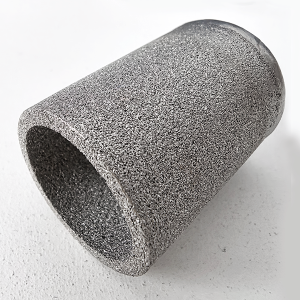
The metal powder is easy to mold. Huahang sintered porous metal filter can be manufactured in various shapes, such as tube, disc, conical, flat-bottomed, round-bottomed, and other special customized shapes. A variety of different fittings are available to suit different installation requirements.
Huahang porous powder metal filter has high filter accuracy up to 0.1μm, the micron rating and porosity can be adjusted by powder particle size. Sparger sintered filter also offers high mechanical strength, high-temperature, and corrosion resistance, which allows it to be used in industries with high filtration requirements, such as electronic technology, chemical processing, and pharmaceutical industry, which demand high cleanliness and precision.
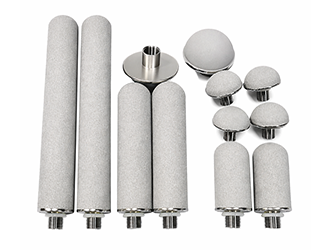
Stainless Steel Powder Sintered Filter
Huahang stainless steel powder sinter filter has high mechanical strength, and it can be worked at a temperature range -200℃~800℃. SUS304 316/316L can be select as the sparger filter material, is a great choice for high-temperature, high-corrosion and high-pressure condition.
More Details
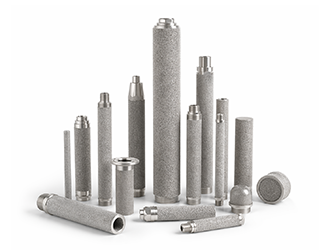
Titanium Powder Sintered Filter
The titanium powder particles are finer and more spherical, so the titanium sparger filter cartridge has a higher filter accuracy up to 0.1μm. It provides more stable retention of microorganisms and suspended particles, especiallyIdeal for sterile filtration and high-purity filtration.
More Details
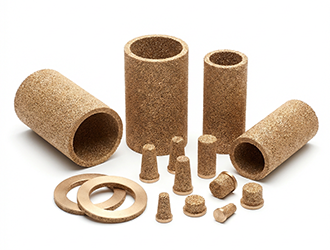
Copper Powder Sintered Filter
Also named brass powder sintered filter, bronze sintered filter. Copper sintered filter element has a uniform pore distribution and high stability, the using temperature need to <= 300℃, but it has an excellent resistance to rapid cooling and heating working environment.
More Details
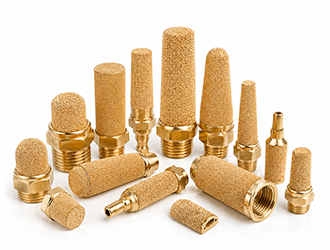
Sintered Air Muffler
Muffler filter also named filter silencer, huahang muffler can be made from stainless steel, brass or bronze. Sintered muffler can effectively reduces the transmission of airflow noise. In high-noise industries, noise levels can be reduced by approximately 30 dB to 35 dB.
More Details
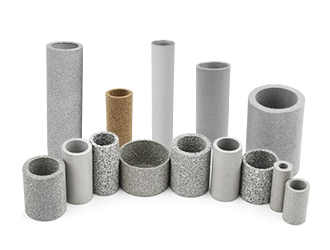
Porous Powder Sintered Tube
Huahang metal sintered powder tube filter has material of stainless steel, titanium and brass, hollow and tubular, open at both ends. The height and diameter of air sparger filter can be customized, and the filter accuracy can be adjusted by the powder particle size and sintering parameters.
More Details
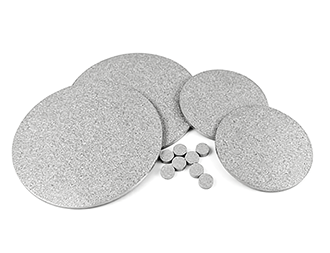
Metal Powder Filter Disc&Plate
A sintered porous filter disc has a extremely stable structure, and can withstand immense pressure, sintered disc also has a high filter efficiency. The most commonly used materials are stainless steel and bronze, and they can be flexibly customized into various shapes and sizes.
More Details
Huahang Metal Powder Sintered Filter Specifications
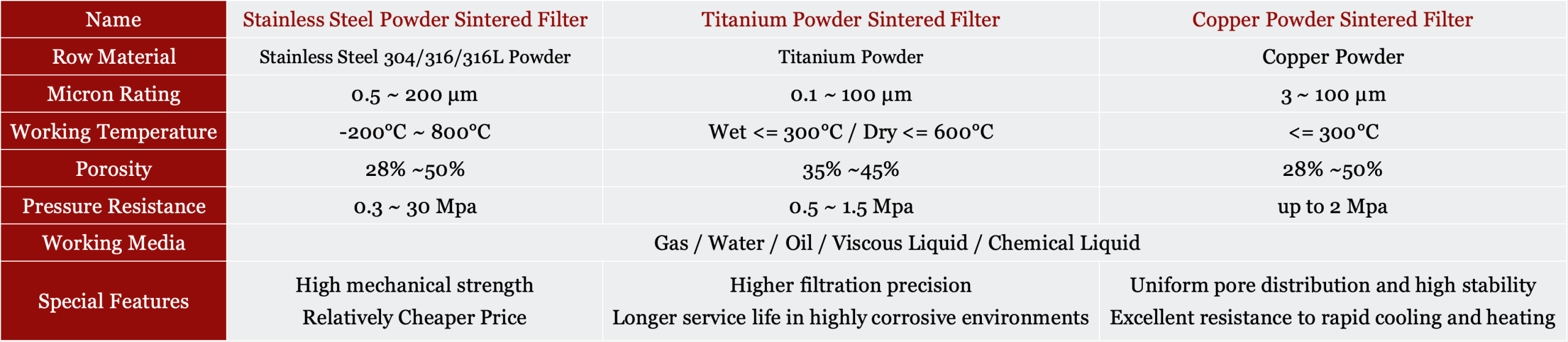
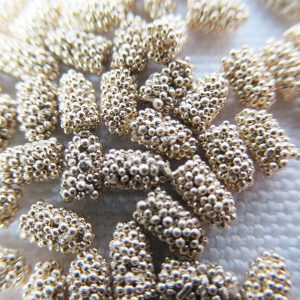
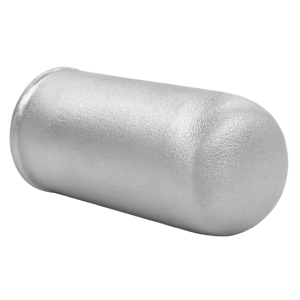
Unlike stainless steel sintered mesh filter elements, the most commonly used raw materials for sintered metal porous powder filter elements include stainless steel powder, titanium powder, and brass powder. Huahang could supply metal porous sintered filters in different materials and different shapes. Here is the difference between stainless steel, titanium, and bronze.
OEM & ODM Custom Manufacturing
Huahang sintered powder filter manufacturer typically support:
- Custom dimension & shape
- Different micron ratings
- Stainless steel, titanium, brass, and special alloys
- Surface treatment (polishing, coating)
- Connection types (thread, flange, quick connect, special)
How to Produce Porous Metal Filters ?
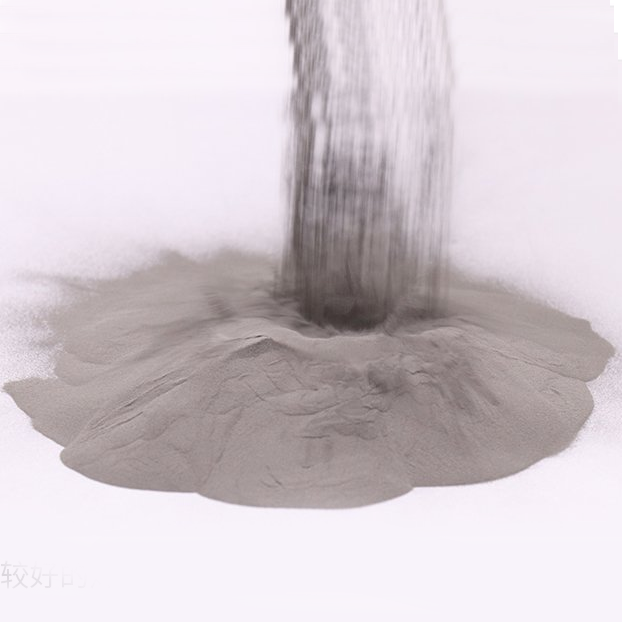
Sieving the Metal Powder
Sieving the metal powder ensures a stable particle size distribution; adding forming binders if necessary.
Filling and Compaction
Filling the metal powder in the mold, control the density, and then form the porous metal filter element blank with cold pressing.
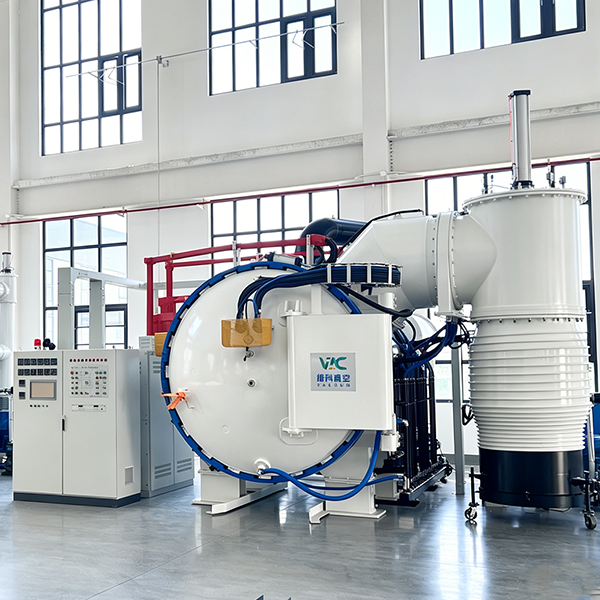
Vacuum Sintering
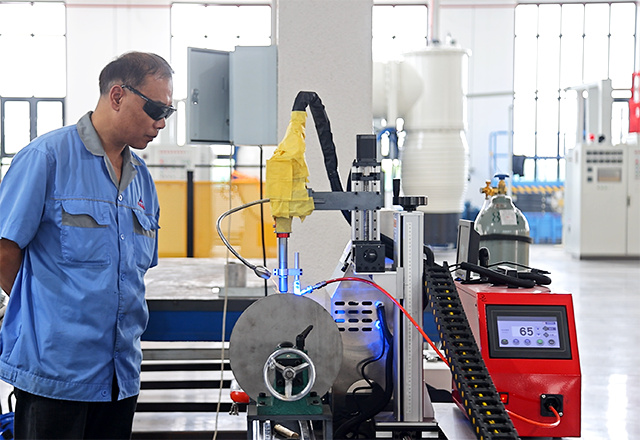
Sintered at high temperature in a vacuum sintering furnace. If adhesives are used, degreasing is required.
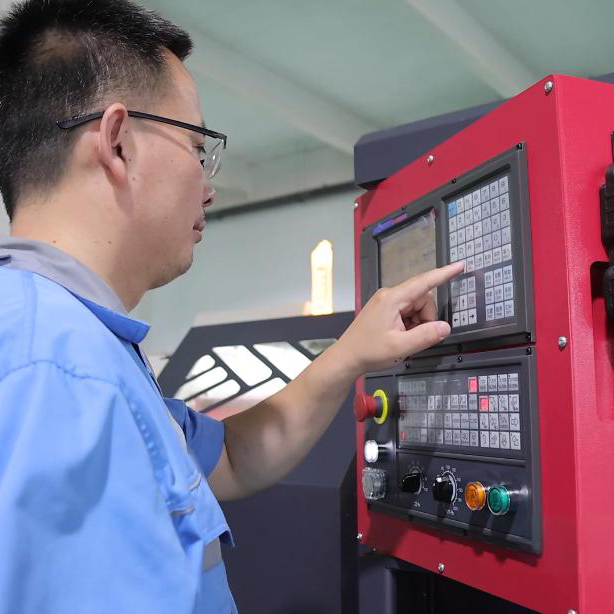
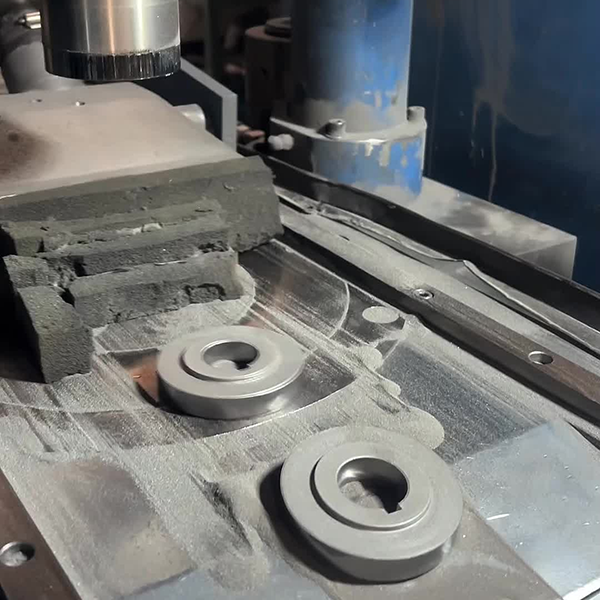
Filter Element Machining
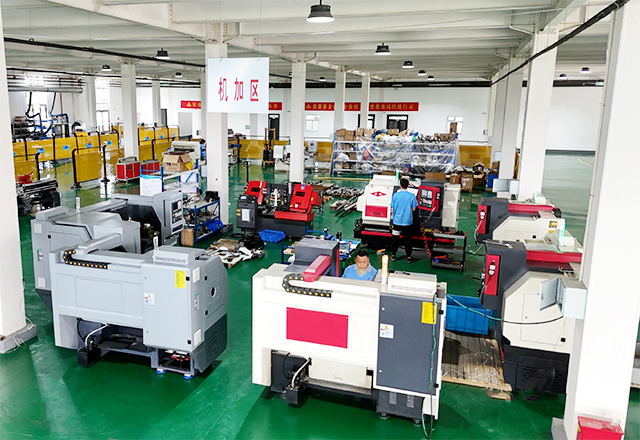
The metal powder filter after sintering need to be turing, cutting or facing, to ensure the flatness meets the installation requirements.
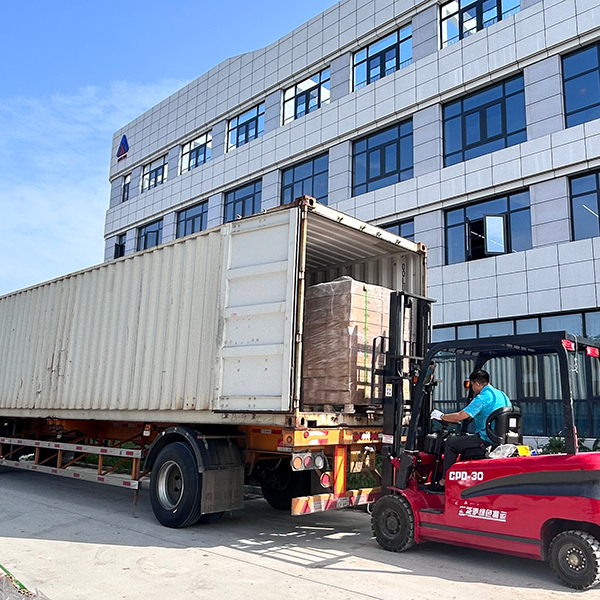
Finished Product Packaging
Multi-layered cardboard boxes are typically used for packaging, wooden crates and pallets are also available.
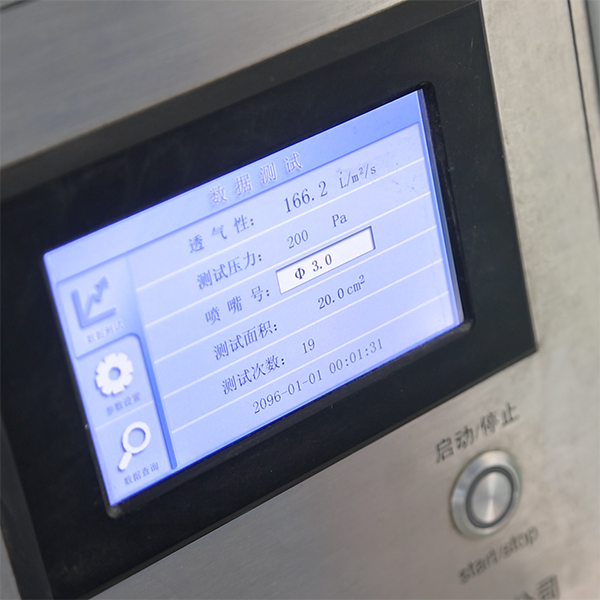
Performance Testing
Appearance and dimensional inspection, filtration accuracy testing, bubble point testing, differential pressure testing
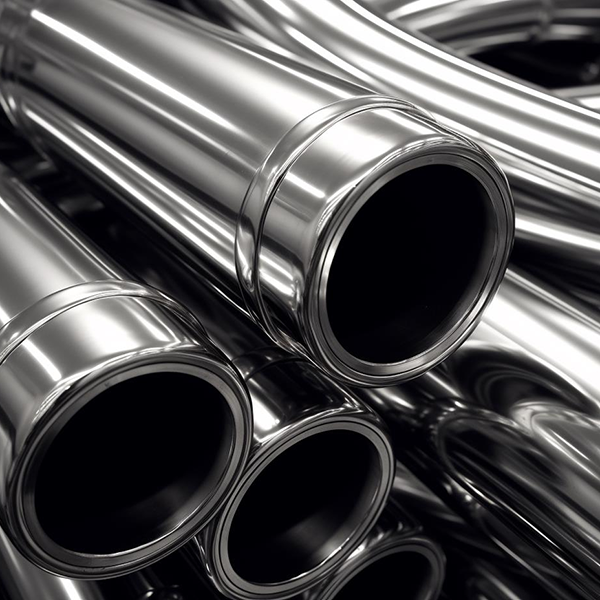
Surface Treatment
Ultrasonic cleaning and pickling, ensuring the filter element's internal pores are clean and free of residual powder.
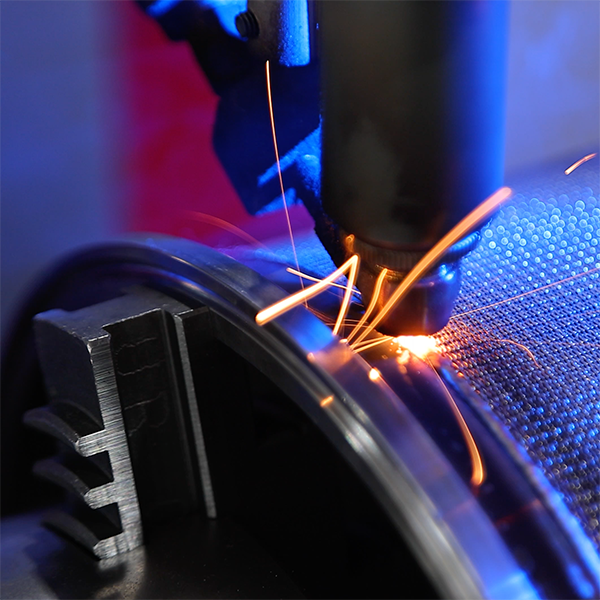
End Caps Welding
Different types of connections can be selected, welded to the metal powder sintered filter cartridge to form an integral sealed structure
Features of Sintered Metal Powder Filter
Metal powder sintering filter elements have a porous structure with a uniform pore distribution, allowing impurities to penetrate deep into the micropores for deep filtration. Huahang porous sintered metal filter offers high filtration accuracy, titanium powder sintered filters can achieve a filtration accuracy of 0.1 micron, making them suitable for industries requiring high-precision filtration.
Metal powder forms to a dense and polycrystalline sintered body through high-temperature vacuum sintering. The gaps between the powder particles are tightly connected. So the metal powder sintered filter cartridges have high mechanical strength, they can withstand pressure impact and are not easy to deform.
Huahang sintered porous powder filter elements possess excellent high-temperature resistance and corrosion resistance, making them suitable for high-temperature gas filtration, chemical media filtration, and corrosive liquid filtration.
The porous structure of metal powder sintered filters makes them have a strong dirt-holding capacity, suitable for long-term continuous filtration. The porous metal filters can also be cleaned by backwashing or ultrasonic cleaning and reused several times.
Application Areas of Sintered Powder Filter
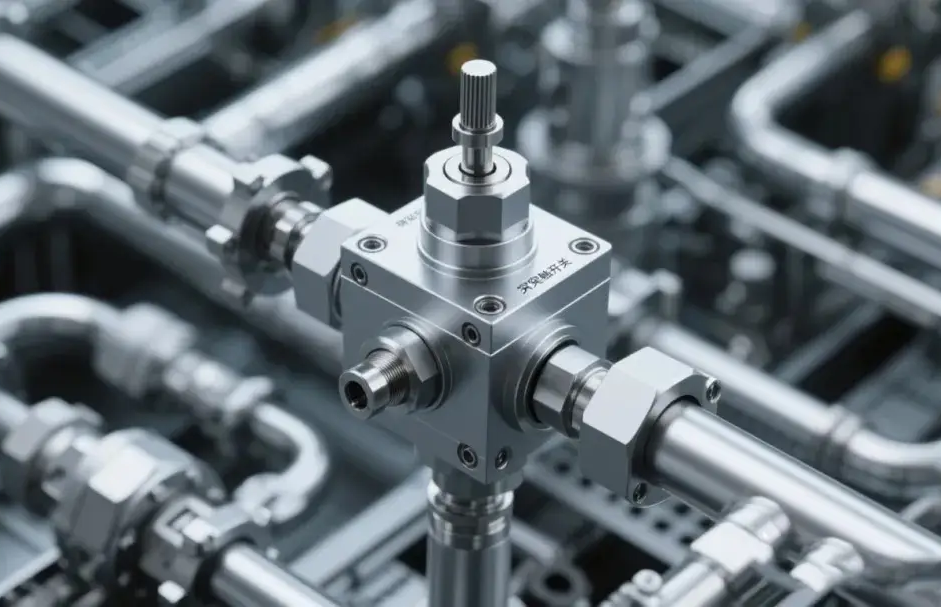
Pneumatic System
Porous metal sintered filter can filter dust, water mist, and particulate matter from compressed air, protecting precision equipment components such as pneumatic valves and instruments.

Pharmaceutical & Food Industry
Huahang metal powder sintering filter can be used to filter gases produced during food and pharmaceutical processing, such as steam, nitrogen, and sterile gas.

Chemical Industry
Sintered powder filter elements can be used to filter solid particulate impurities from acidic, alkaline, and other corrosive chemical liquids, thereby protecting process equipment and pipelines.
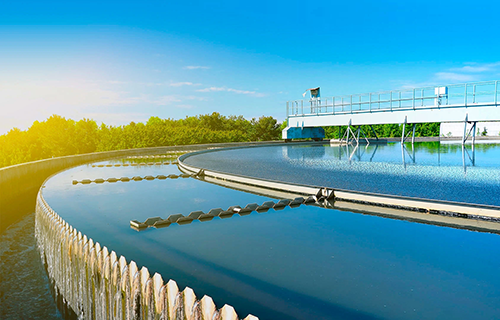
Industrial Water Treatment Industry
Porous powder filter cartridges can remove suspended particles, sediment, rust, and other impurities from Industrial water, cooling water, and wastewater.
Huahang Sintered Metal Filter Manufacturer
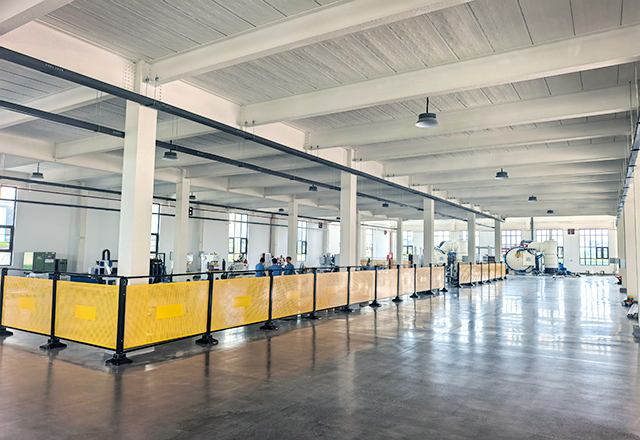
Huahang Filter is a direct manufacturer with 20+ years of production experience. We possess advanced production technology and extensive manufacturing experience, particularly in the field of sintered metal filter products. We have produced a wide variety of sintering filter products, mainly including stainless steel sintered mesh filter cartridges, porous powder sparger sintered filter cartridges, sintered wire mesh, and sintered fiber felt.
Huahang sintered filter possesses significant advantages compared with other types of metal filters. Our sintered filter elements are produced based on high-quality raw material and strict production process, each filter of Huahang has high strength, good filter performance, and long service life. As a direct factory and source manufacturer, Huahang provides competitive pricing, stable production capacity, and efficient delivery for global customers. We are committed to helping our clients reduce operational costs while improving filtration efficiency and system reliability.
Huahang has a professional technical team and a variety of advanced production equipment to support our ability to provide OEM customized sintered filter products and filtration solutions for each customer. And as the source factory for sintered filter elements, we also have a significant advantage in product pricing. Contact us to get a filter solution and a reasonable filter price!
Frequently Asked Questions
Find answers to common questions about our sintered filter products, customization options, technical specifications, and ordering process.
What is "sintered" process?
Sintering is a specialized manufacturing process that uses heat treatment to bond powdered materials or metal components into a strong, porous, and stable structure without reaching the material’s melting point. During the process, the material is heated under controlled conditions, allowing particles to undergo diffusion and metallurgical bonding.
As the temperature increases, the atoms between metal particles begin to migrate, causing the gaps between particles to gradually decrease. At the same time, crystal grains grow and connect with each other, transforming the loose powder or layered materials into a durable solid structure with improved mechanical strength and dimensional stability.
In metal filtration manufacturing, sintering technology is widely used to produce sintered mesh filters and porous powder sintered filters. For sintered mesh, multiple layers of stainless steel wire mesh are bonded together through high-temperature vacuum sintering, creating a uniform pore structure with excellent pressure resistance. For powder sintered filters, metal powders are compacted and sintered to form a rigid porous body that provides precise filtration performance.
Compared with conventional manufacturing methods, the sintering process enables precise control of pore size, porosity, and material strength. This makes sintered metal filters highly suitable for demanding applications requiring high temperature resistance, corrosion resistance, mechanical durability, and long service life. Huahang applies advanced sintering technology to manufacture reliable filtration solutions for industries such as chemical processing, petrochemical, pharmaceutical, food processing, and high-temperature gas filtration.
How to Choose Between Powder Sintered, Wire Mesh, and Fiber Felt Filters?
Selecting the right sintered metal filter depends on more than just filtration accuracy. Factors such as operating pressure, temperature, contamination level, service life, and cleaning requirements all play an important role. Powder sintered filters, sintered wire mesh filters, and sintered fiber felt filters each offer unique performance advantages for different industrial applications.
Powder Sintered Filters – Best for Precision & Stable Filtration
Powder sintered filters are manufactured by sintering fine metal powders into a rigid porous structure with evenly distributed interconnected pores. This manufacturing process produces highly consistent filtration performance, making powder sintered filters an excellent choice for applications requiring precise particle retention and reliable flow control.
Their self-supporting structure also provides excellent compressive strength, corrosion resistance, and long-term durability. Because contaminants are captured throughout the porous media rather than only on the surface, powder sintered filters deliver outstanding depth filtration and can be regenerated through backwashing, ultrasonic cleaning, or chemical cleaning.
At Huahang, we manufacture powder sintered filters in stainless steel, titanium, copper, and other metal materials with customizable micron ratings, porosity, dimensions, and structural designs to meet a wide variety of industrial filtration requirements.
Sintered Wire Mesh Filters – Best for High Pressure & Heavy-Duty Applications
Sintered wire mesh filters are produced by laminating multiple layers of woven metal mesh through a high-temperature diffusion bonding process. This construction provides exceptional mechanical strength and outstanding resistance to high differential pressure, making it suitable for demanding industrial environments.
Compared with powder sintered filters, wire mesh filters generally offer higher flow capacity and better structural rigidity, but their filtration accuracy is limited by the mesh opening size. They are commonly selected for hydraulic systems, polymer processing, petrochemical plants, and applications where strength and pressure resistance are the primary concerns.
Sintered Fiber Felt Filters – Best for High Dirt-Holding Capacity
Sintered fiber felt filters are manufactured from randomly arranged stainless steel fibers that are bonded into a three-dimensional porous network. This unique structure creates an extremely high void volume, allowing the filter to retain significantly more contaminants than other filtration media before cleaning becomes necessary.
Because of this high dirt-holding capacity, fiber felt filters are widely used in polymer melt filtration, chemical processing, and high-temperature gas filtration. Although they provide excellent filtration efficiency and long service intervals, they are generally less rigid than powder sintered filters and are better suited to applications where contaminant loading is more critical than structural strength.
Which Filter Type Is Right for Your Application?
1. If your application requires high filtration precision, uniform pore distribution, repeatable filtration performance, and long service life, a powder sintered filter is typically the best solution.
2. If your priority is high-pressure resistance, mechanical durability, and large flow capacity, a sintered wire mesh filter is usually the preferred choice.
3. For systems handling high concentrations of contaminants or requiring extended filtration cycles, a sintered fiber felt filter offers superior dirt-holding capacity and excellent filtration efficiency.
With more than 20 years of experience in sintered metal filtration, Huahang provides all three types of filtration media and helps customers select the most suitable solution based on operating conditions, filtration accuracy, working temperature, pressure, and chemical compatibility. Whether you require a standard filter element or a fully customized design, our engineering team can provide reliable OEM and ODM manufacturing services tailored to your application.
How do you distinguish between sintered mesh filter elements and sintered powder filter elements? What are the consequences of choosing the wrong one?
Many customers confuse these two types of metal filter elements during selection. Huahang explains the differences from a practical usage perspective to help you avoid common pitfalls:
Fundamental differences based on “origins”
Sintered powder filter elements are made by pouring metal powder into a mold, pressing it into a compact, and then sintering it in a high-temperature furnace; essentially, they are “porous blocks formed by compressed metal powder.” Sintered mesh filter elements are created by layering stainless steel wire meshes of different specifications, then vacuum-sintering them into a single, unified structure; essentially, they are “rigid filter layers formed from fused wire mesh.” If you hold filter elements of the same size in your hands, the powder version feels heavier and denser, while the sintered mesh version is relatively lighter.
Significant differences in filtration precision and pore characteristics
Sintered powder filter elements can easily achieve ultra-high precision (down to 0.1μm), trapping ultrafine particles within the element via a dense network of interlaced micropores. However, this high density creates significant flow resistance, placing a noticeably heavier load on the pump. Sintered mesh filter elements typically offer precision in the 1–100μm range; their pores are uniform and interconnected, allowing fluid to flow freely without significant restriction. They offer much higher flow rates for the same size, making them ideal for high-flow, rapid filtration applications.
A world of difference in durability
Sintered powder filter elements are hard but brittle; they are prone to internal cracking and shedding powder when subjected to water hammer, high-pressure surges, or accidental impact, which can directly cause secondary contamination of the downstream fluid. Sintered mesh filter elements offer exceptional toughness and strong resistance to vibration and pressure pulses. They can even be fabricated with a pleated structure and are suitable for industrial pipelines involving high pressure or frequent start-stop cycles, rarely suffering from rupture or deformation.
Significant Cost Differences in Cleaning and Reuse
With sintered powder filter elements, impurities penetrate deep into the micropores, making thorough cleaning via standard back-flushing impossible; most are discarded after just a few uses, resulting in high long-term consumable costs. In contrast, impurities on sintered mesh filter elements remain primarily on the surface, allowing the filter cake to be completely removed through high-pressure back-flushing or ultrasonic cleaning; performance remains stable over 3–5 reuse cycles, cutting long-term O&M costs by more than half.
Avoiding Costly Selection Errors
Choosing sintered powder elements for applications like high-flow liquid pre-treatment or high-temperature flue gas dedusting leads to rapid clogging, skyrocketing pressure differentials, and frequent downtime for element replacement. Conversely, using standard sintered mesh elements for high-precision tasks—such as pharmaceutical sterilization or ultrafine catalyst recovery—fails to capture sub-micron impurities, directly resulting in substandard products.
Huahang offers free analysis of your operating parameters to precisely match the optimal filter element type, saving you the hassle and risk of making the wrong choice.
What are the key differences between sintered filter elements made of stainless steel, titanium, and copper, and how do you choose the most suitable one?
The three models are all metal powder sintered filter elements, but their material characteristics are very different. Huahang helps you sort out the key selection information and avoid substandard performance problems caused by wrong selection.
1. Core differences in basic parameters
Raw materials and molding: The stainless steel model uses 304/316/316L stainless steel powder as raw material and is formed by cold isostatic pressing + high temperature vacuum sintering; the titanium model is sintered with high-purity titanium metal powder and has its own natural oxidation protective film; the copper model uses high-purity copper powder as the base material, and the structure after sintering is dense and uniform.
Filter precision range: The stainless steel model covers 0.5~200μm, adaptable to all scenarios from coarse filtration to precision filtration; the titanium model has a precision of up to 0.1μm, which is the only category among the three that can stably achieve sub-micron filtration; the copper model has a precision range of 3~100μm, which is more suitable for medium and low precision conventional filtration.
Temperature resistance and pressure resistance performance: The stainless steel model has a temperature resistance range of -200℃~800℃ and a maximum pressure resistance of 30MPa, which is the highest temperature and pressure resistance limit among the three models; the titanium model has a temperature resistance of ≤300℃ in wet conditions and a maximum of 600℃ in dry conditions, and the conventional model has a pressure resistance of 0.5~1.5MPa; the copper model has a long-term temperature resistance of ≤300℃ and a maximum pressure resistance of 2MPa, which is suitable for medium, low pressure and medium temperature scenarios.
Porosity performance: The porosity of the stainless steel model is 28%~50%, which can be flexibly adjusted by the powder particle size; the porosity of the titanium model is stable at 35%~45%, and the dirt holding capacity is more balanced; the porosity of the copper model is 28%~50%, and the fluid permeability is stable.
2. Exclusive features and adaptation scenarios
Stainless steel powder sintered filter element: It has high mechanical strength, strong impact and vibration resistance, and the most cost-effective price among the three. It is a universal model for industrial filtration. Scenarios where it is preferred: conventional hydraulic oil filtration, general chemical fluid purification, high-temperature flue gas pretreatment, working conditions with a limited budget, and no special requirements for strong corrosion.
Titanium powder sintered filter element: Strong corrosion resistance is the core advantage. It will hardly be eroded in strong corrosive media such as aqua regia, sodium hypochlorite, and electroplating solutions. At the same time, the filtration accuracy is higher, and there will be no metal precipitation during long-term use. Scenarios where it is preferred: new energy electrolyte filtration, highly corrosive chemical media treatment, ozone water purification, and electronic-grade ultrapure fluid filtration.
Copper powder sintered filter element: The thermal conductivity is 8 times that of stainless steel. It has excellent resistance to rapid cooling and heat. It will not crack or deform when the temperature changes suddenly. It also has antibacterial properties. Scenarios that give priority to it: heat exchange system media filtration, oil and gas recovery, low-temperature gas purification, and special filtration scenarios that require thermal conductivity.
3. Tips for choosing and avoiding pits
If you choose an ordinary stainless steel filter element in a working condition containing chloride ions, pitting corrosion and perforation will easily occur; if you use a copper filter element in a strong oxidizing environment, it will quickly oxidize and fail. Huahang can accurately match your media composition and working condition parameters for free, helping you choose the filter element solution with the longest life and the lowest overall cost.
What are the key advantages of metal powder sintered technology?
Extremely high material utilization rate
Compared with traditional casting and forging, this process does not require complete melting of the metal, and the material utilization rate can reach more than 95%, which greatly reduces the waste of raw materials and reduces production costs.
Remarkable effect of energy saving and cost reduction
The sintering temperature is only 70% to 90% of the melting point of the base metal, and the energy consumption is 40%-60% lower than the traditional casting process. At the same time, the equipment cost can be reduced by about 60% through technologies such as graphite thermal field sintering.
Product performance is precise and controllable
It can precisely control the porosity, grain size, and microstructure of the material, and can produce high-purity, uniform composition, and special performance materials that cannot be achieved by traditional processes, to avoid contamination from impurities.
Suitable for mass production of complex parts
It supports near net shape and does not require a large amount of subsequent machining. It is especially suitable for the mass production of parts with complex shapes that are difficult to process with traditional processes. It is widely adopted in high-end fields such as aerospace, new energy vehicles, and medical implants.
Strong adaptability to special environments
The vacuum/protective atmosphere sintering environment can effectively isolate oxygen and avoid metal oxidation. It can stably process titanium alloy, stainless steel, and other easily oxidized active metals, ensuring stable product performance.
Can the sintered powder filter element be cleaned and reused?
The powder sintered filter element can be cleaned and reused.
1. Feasibility of regenerative cleaning
Its porous metal structure has extremely strong physical stability. Impurities trapped in the pores can be effectively removed through targeted cleaning. The recovery rate of filtration performance can generally reach more than 90%, and it can be reused 3 to 5 times under some working conditions.
2. Commonly used cleaning methods
• Reverse high-pressure fluid backwashing, combined with compressed air blowing, can quickly remove large particle impurities attached to the surface.
• Ultrasonic cleaning, combined with immersion in a weak acid/weak alkali solution of suitable media, can deeply remove stubborn residual impurities in micropores.
• High-temperature baking regeneration, heating to 300~400℃ under the protection of inert gas, carbonizing and decomposing the organic impurities trapped inside the filter element.
3. Notes
If the filter element has obvious cracks, deformation, damaged pore structure, or the internal impurities are completely hardened and cannot be removed by conventional means, it cannot be reused.
Huahang can provide customers with exclusive filter element cleaning and regeneration guidance programs corresponding to working conditions, helping users significantly reduce long-term consumable usage costs.
Metal porous powder sintered filter working principle.
1. Infrastructural Support
It uses metal powder as a raw material and is made by cold isostatic pressing and high-temperature vacuum sintering. A large number of three-dimensional staggered irregular micropores are formed inside. The filtration accuracy can be precisely controlled by adjusting the powder particle size, covering the range of 0.1~200μm.
2. Composite filtering mechanism
With “depth filtration” as the core, when the fluid passes through the filter element, large impurities are first intercepted by the surface pores, and the fine particles enter the tortuous micropore channels inside the filter element with the fluid. Under the multiple effects of inertial collision, Brownian diffusion, and van der Waals force adsorption, they are firmly trapped inside the micropores, and finally, the clean fluid flows out.
3. Filter cake synergistic effect
As filtration progresses, the impurities accumulated on the surface of the filter element will form a uniform filter cake, further improving the overall filtration accuracy. It can stably intercept sub-micron ultra-fine particles and is suitable for high-precision solid-liquid/gas-solid separation scenarios.
What is the function of pore size in powder sintered filter elements?
The core functions of the pore size of the powder sintered filter element are as follows:
Determine filtering accuracy
Pore size is the core basis for determining filtration accuracy, which directly determines the minimum particle size of impurities that can be intercepted. For example, a filter element with a pore size of 0.5 μm can stably intercept solid particles of 0.5 μm and above, which is the basis for achieving precise graded filtration.
Regulate fluid flux
Under the same working conditions, the larger the pore size, the better the overall air permeability/liquid permeability of the filter element, the lower the resistance to fluid passage, the greater the processing flow rate per unit time, and it can be adapted to high-flow rapid filtration scenarios.
Affects dirt holding capacity
Reasonable pore size gradient distribution can gradually intercept impurities from the surface layer to the deep layer, greatly increasing the overall dirt holding capacity of the filter element, extending the filter element plugging cycle, and reducing the frequency of backwashing and replacement.
Adapt to special functional requirements
Filter elements with specific pore sizes can achieve non-filtration functions such as air flow damping, uniform distribution of bubbles, fire and explosion protection, and breathable protection of sensor probes, expanding the industrial application scenarios of filter elements.
Huahang can customize the pore size from 0.2μm to 50μm according to your actual working media and conditions.
Ready to Discuss Your Filtration Needs?
Contact Huahang Filter to receive professional technical support and customized filtration solutions.