
Sintered Mesh Filter Element Manufacturer
What is Sintered Mesh Filter ?
Stainless steel sintered mesh filter elements are usually made of stainless steel multi-layer sintered wire mesh. Standard sintered metal mesh typically has a five-layer structure, consisting of a protective layer, a filter layer, a separation layer, and a support layer. It can also be increased to 7-10 layers depending on the specific application conditions.
Sintered mesh filter material of Huahang possesses both uniform and stable filtration accuracy, and high strength and rigidity. It is also easy to mold, process, and weld, and can be fabricated into various sintered filter cartridges in shapes such as circular, cylindrical, conical, and sheet-like forms.
Huahang sintered mesh filter elements, made from sintered mesh materials, possess high strength, uniform and stable filtration accuracy, and a wide range of applications. They can operate normally in high-temperature environments up to 650℃ and in acidic and alkaline conditions. They are an ideal choice for filtration applications requiring high compressive strength and uniform filtration particle size.
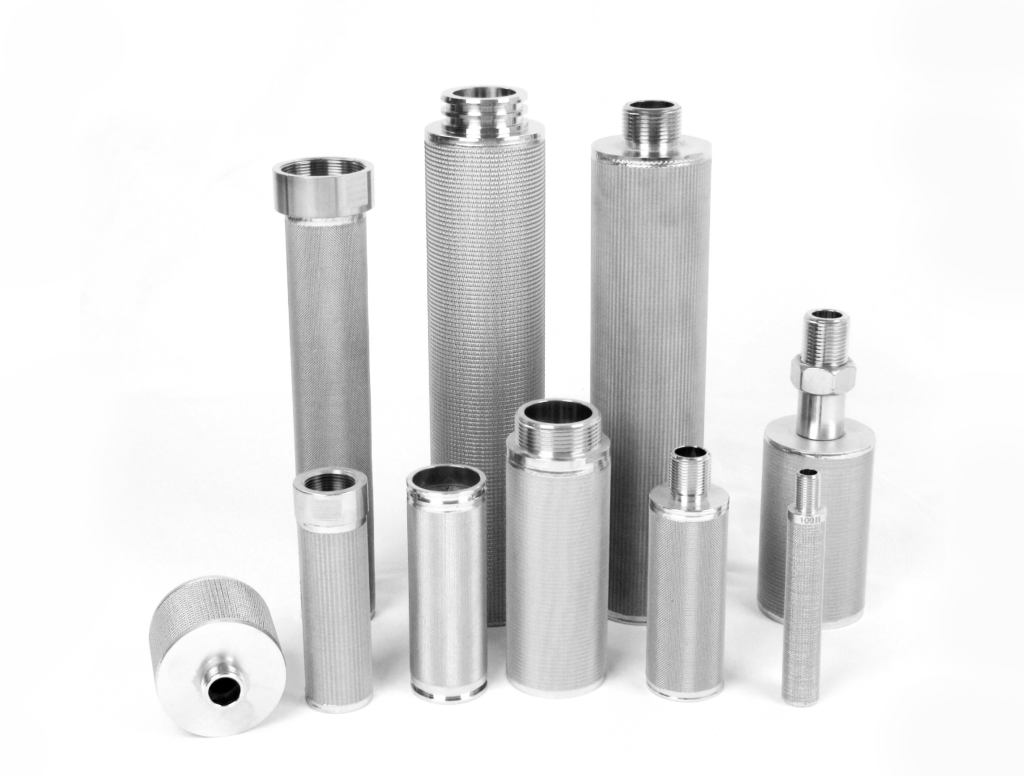
Sintered Mesh Filter Cartridge
Stainless steel sintered mesh filter from Huahang is usually made of five-layer stainless steel wire mesh, has a wide range of micron rating from 1 to 300μm, and the structure is stable and uniform, sintered mesh cartridge is a good choice for high-temperature and high-viscosity medium.
More Details
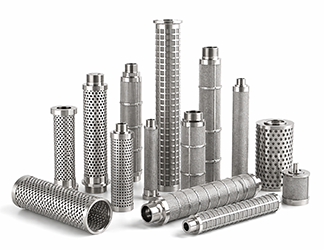
Strengthen Frame Sinter Filter
The strength frame is made of stainless steel square hole plate, it has a high thickness. As a supporting frame, add it to the sintered metal mesh filter can effectively increase the mechanical strength and the pressure resistance of the sintering filter cartridge.
More Details
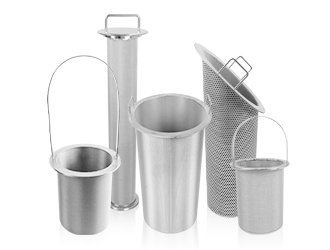
Sintered Mesh Filter Basket
Huahang using stainless steel sintered wire mesh as the filter media of the basket strainer, allows for more filter fineness options for the sintered filter basket, resulting in a better filtration performance and enabling applications in a wider range of industries and working conditions.
More Details
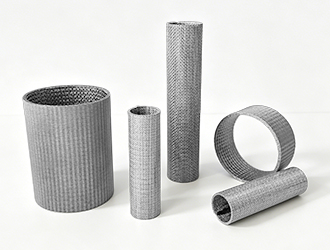
Sintered Mesh Filter Tube/Rod
Sintered filter rod is a type of stainless steel sintered filter with a different shape. Sinter metal rods and sintered tube has a slender appearance, small diameter, and can be fitted with various types of connectors or have both open ends. Usually be installed in stainless steel filter housing.
More Details
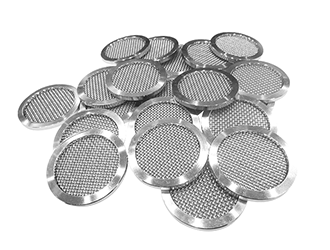
Sintered Mesh Leaf Filter Disc
The sintered filter disc can be made of stainless steel sintered mesh or fiber felt, and can be applied in higher viscosity solution filtration. Huahang sintered filter disc has high strength and precision, allow it to remove hard impurities, and can be wanshed and cleaned easily.
More Details
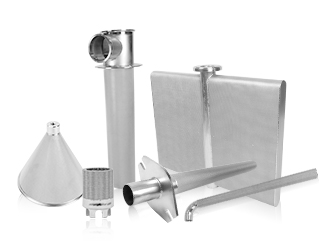
Special Sintered Mesh Filter
Huahang has the ability and technology to design and produce some sintered metal filters in special shape, special connection, and special usage. No matter how harsh your working conditions are, or how difficult your requirements may be, we will try our best to provide you the solution.
More Details
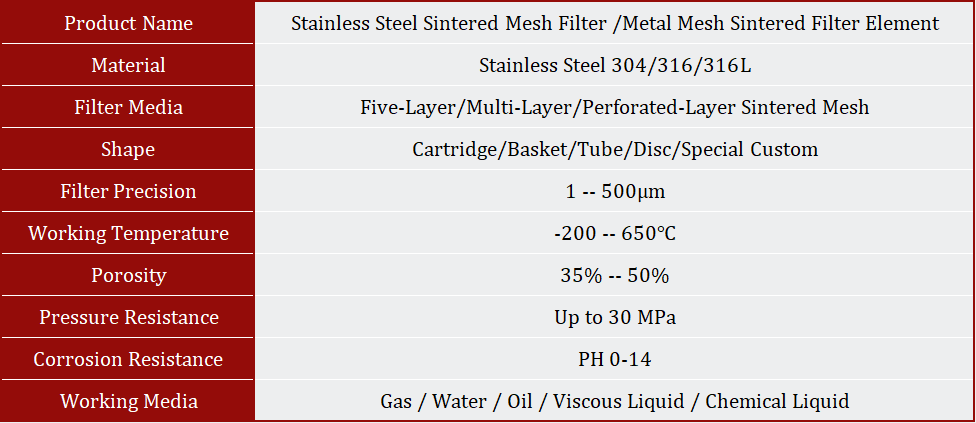
Huahang Stainless Steel Sintered Mesh Filter Specifications
Compared with conventional stainless steel wire mesh, Huahang sintering metal sheet offers high machenical strength, uniform pore size, and stable structure. Stainless steel sintered meshes are suitable for several terrible operating conditions, including high-temperature, high-pressure and corrosion environment. It is easy to process, form, and weld, suitable for various fabrication requirements.
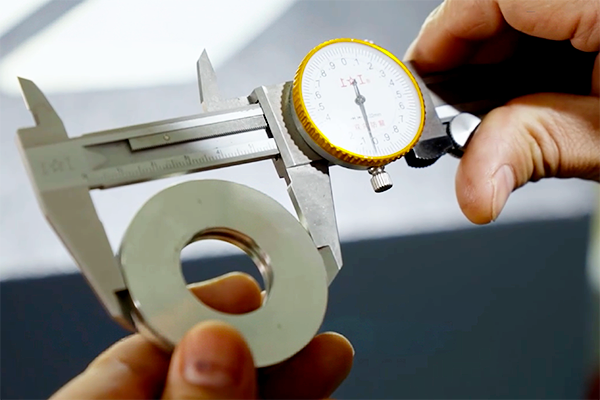
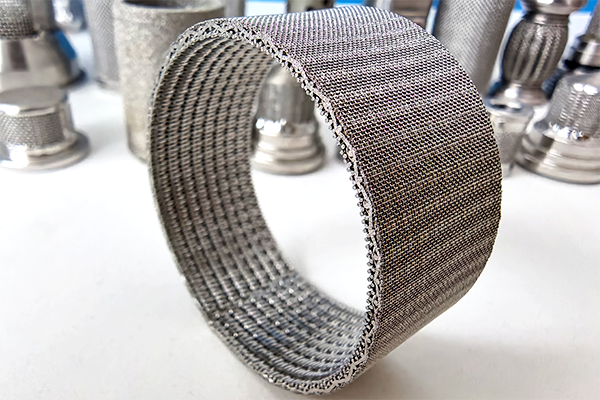
OEM & Custom Manufacturing
Huahang sintered filter manufacturer typically support:
- Custom size & shape
- Different micron ratings
- Stainless steel and special alloys
- Surface treatment (polishing, coating)
- Connection types (thread, flange, handle, lifting bar)
Production Process of Sintered Mesh Filter
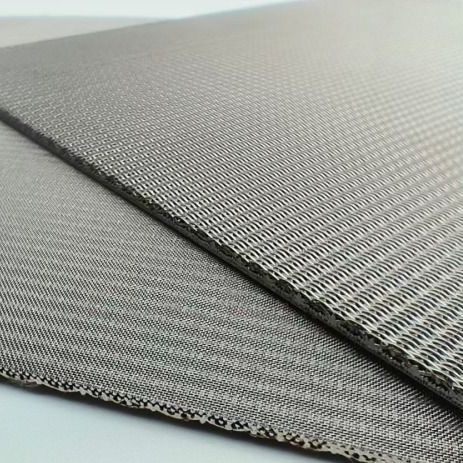
Sintered Wire Mesh Material
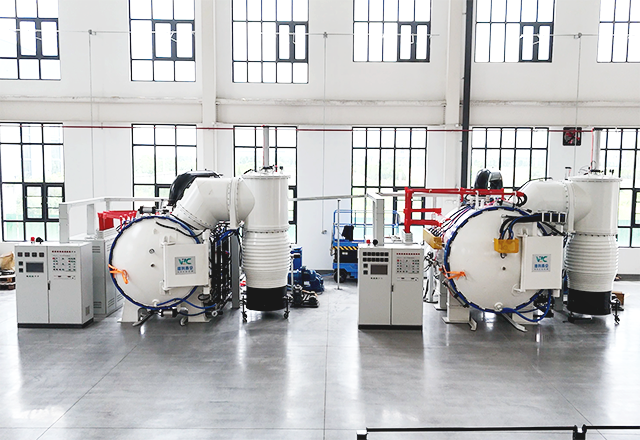
Multi-layer stainless steel sintered metal mesh sheets are produced by vacuum sintering.
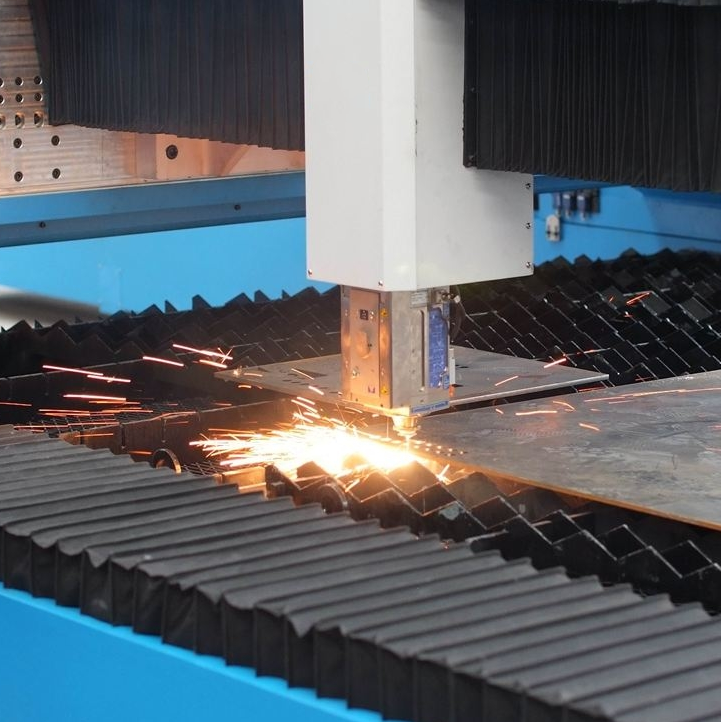
Cutting and Blanking
Cutting the sintered wire mesh plate into pieces according to the sintered filter element dimension.
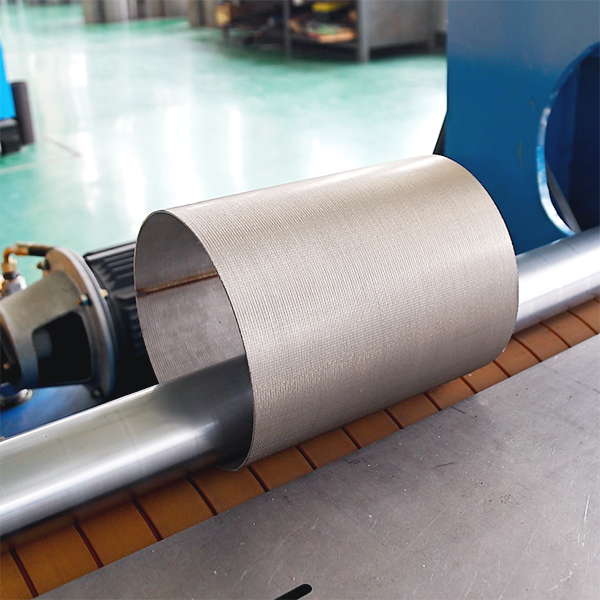
Rolling and Shaping
Rolling the sintered mesh sheet into a cylindrical shape, ensuring both roundness and straightness.
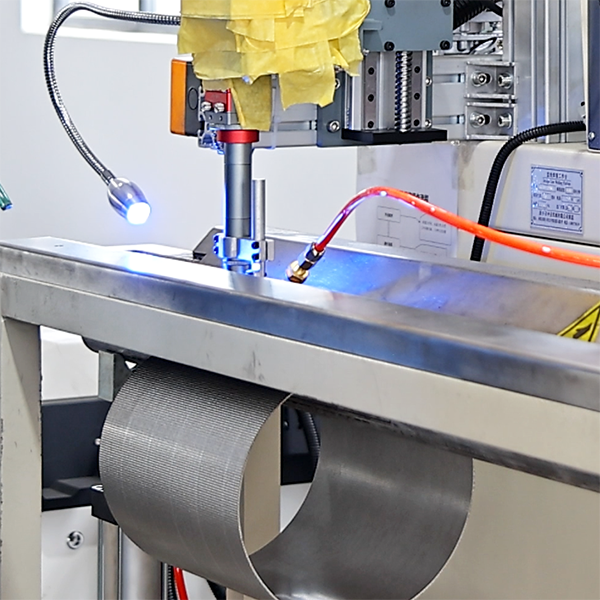
Longitudinal Seam Welding
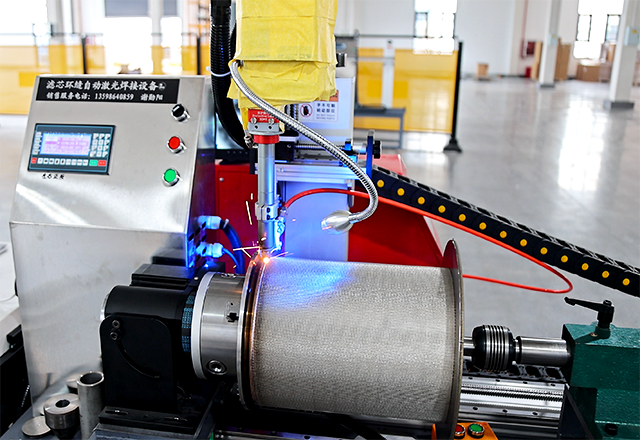
Commonly used laser welding and plasma welding, ensuring no clogging of holes and no deformation.
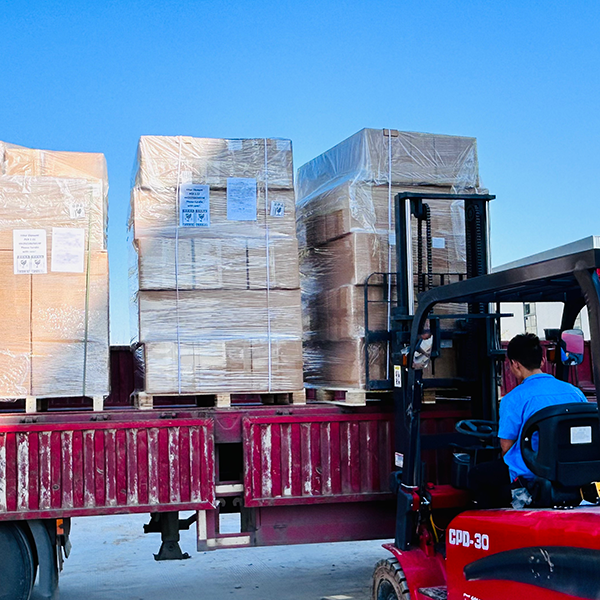
Finished Product Packaging
Multi-layered cardboard boxes are typically used for packaging, wooden crates and pallets are also available.
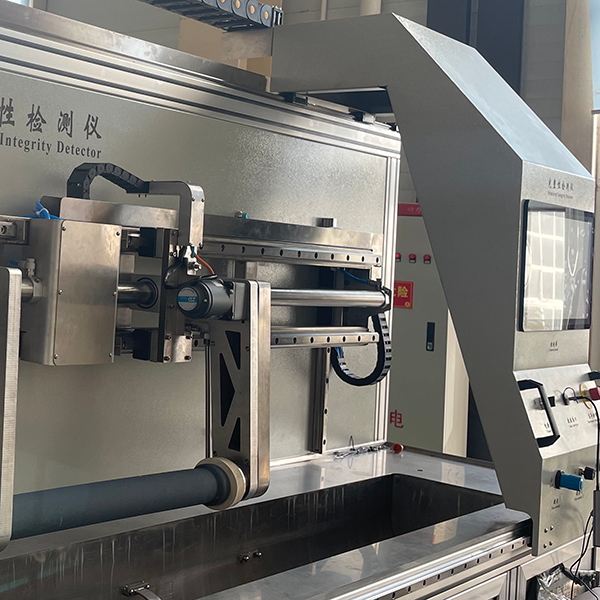
Performance Testing
Appearance and dimensional inspection, filtration accuracy testing, bubble point testing, differential pressure testing
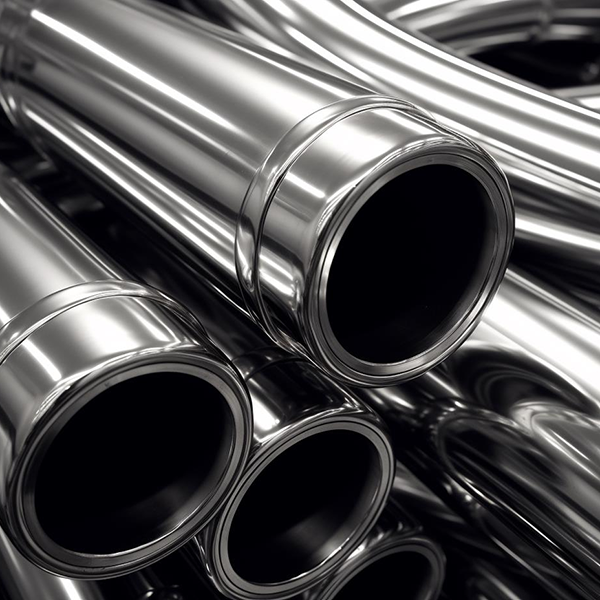
Surface Treatment
Cleaned and polished the sintered mesh filter element to remove welding slag and oil stains, and to increase surface brightness.
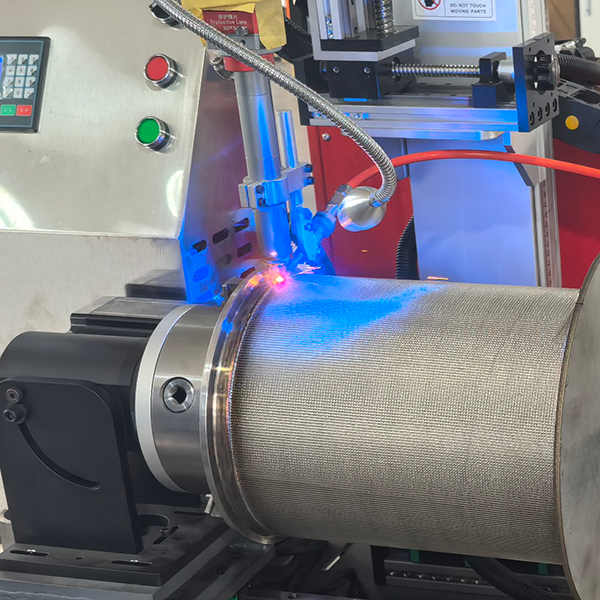
End Caps Welding
Different types of end caps can be selected, welded to the filter cartridge to form an integral sealed structure
Advantages of Sintered Metal Mesh Filter
Stainless steel sintered mesh filter elements are available in a wide range of precision, from 1 to 300 microns. This makes Huahang sintered mesh filter cartridge suitable for use in various industries and operating conditions, effectively filtering solid particles and impurities.
Sintered metal mesh filter elements have uniform and stable pores and an extremely stable cylindrical structure. Making the sintering filter ideal for demanding filtration conditions and also effective at filtering viscous substances.
The sintered mesh filter element is made entirely of stainless steel and uses welding technology. It can operate at temperatures up to 650℃ and can filter both acidic and alkaline media. It also possesses high mechanical strength and can withstand pressure shocks.
The stainless steel sintering mesh filter cartridge possesses excellent cleaning and regenerative properties. A sintered filter can be cleaned by backwashing, ultrasonic cleaning, or high-temperature roasting, thereby Huahang sintered filters can be reused and have a long lifespan.
Industrial Applications of Sintered Mesh Filter
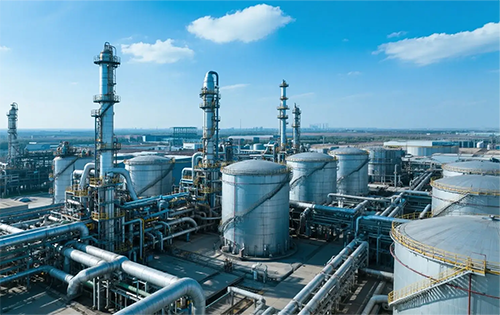
Petrochemical Industry
Sintered metal filter elements from Huahang can be used to filter hydrocarbon liquids, solvents, and process fluids, removing solid particles and catalyst powders, thereby protecting pumps and valves.
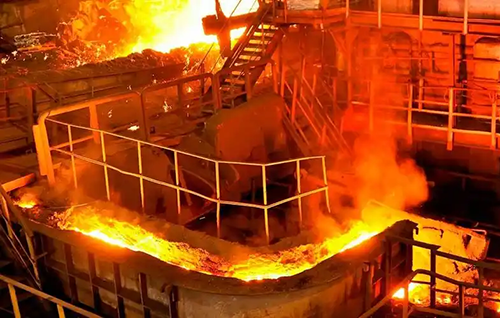
High-temperature Gas Filtration
Stainless steel sintering mesh filter can filter the hot gas, exhaust gas, and process gas. It has great filter performance for boiler flue gas treatment, industrial dust removal, high-temperature gas purification and particulate matter capture.
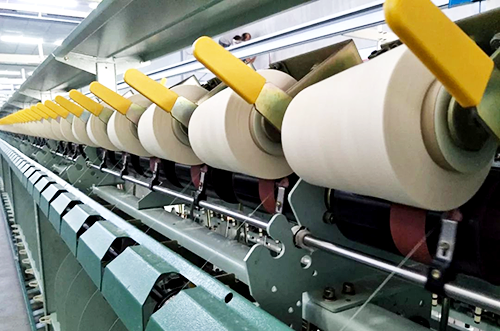
Plastic & Polymer Industry
Polymer melt purification in the chemical fiber, textile, and plastics industries, such as PP/PE/PET/PA. Sintered metal filter for extruders, spinning machines, and granulation lines.
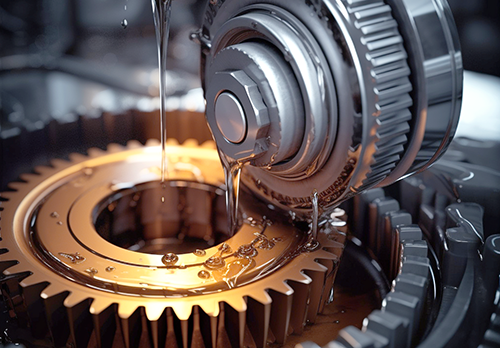
Hydraulic & Lubrication System
Huahang sintered mesh filter can be used to filter hydraulic oil and lubricating oil, have stable structuer and filter performance especially in high-temperature and high-pressure hydraulic system.
Huahang Sintered Metal Filter Manufacturer
Huahang Filter is a direct manufacturer with 20+ years of production experience. We possess advanced production technology and extensive manufacturing experience, particularly in the field of sintered metal filter products. We have produced a wide variety of sintering filter products, mainly including stainless steel sintered mesh filter cartridges, porous powder sparger sintered filter cartridges, sintered wire mesh, and sintered fiber felt.
Huahang sintered filter possesses significant advantages compared with other types of metal filters. Our sintered filter elements are produced based on high-quality raw material and strict production process, each filter of Huahang has high strength, good filter performance, and long service life. As a direct factory and source manufacturer, Huahang provides competitive pricing, stable production capacity, and efficient delivery for global customers. We are committed to helping our clients reduce operational costs while improving filtration efficiency and system reliability.
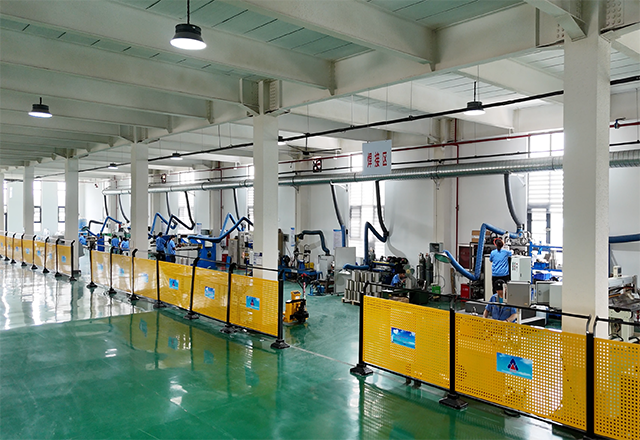
Huahang has a professional technical team and a variety of advanced production equipment to support our ability to provide OEM customized sintered filter products and filtration solutions for each customer. And as the source factory for sintered filter elements, we also have a significant advantage in product pricing. Contact us to get a filter solution and a reasonable filter price!
Frequently Asked Questions
Find answers to common questions about our sintered filter products, customization options, technical specifications, and ordering process.
How does Huahang customize sintered metal filters?
Huahang offers complete OEM and ODM services for sintered metal filters, helping customers obtain filtration solutions that match their equipment and operating conditions.
For replacement projects, if you already have an existing filter element, simply provide product photos, dimensions, engineering drawings, or a sample. Our engineering team will manufacture a compatible replacement with the same fit and performance. If required, we can also upgrade the filter media or structural design to achieve better filtration efficiency, higher mechanical strength, or a longer service life.
For new applications, our engineers will work closely with you to develop a custom filter from the ground up. We will evaluate important operating conditions, including the filtration media, micron rating, working temperature, pressure, connection type, installation dimensions, and flow requirements. Based on this information, we recommend the most suitable sintered material, filter structure, and manufacturing process.
With more than 20 years of manufacturing experience, Huahang delivers customized sintered metal filter solutions that provide reliable performance, consistent quality, and long-term durability for a wide range of industrial filtration applications.
What is sintered mesh?
Sintered mesh is a rigid porous material produced by bonding multiple layers of woven stainless steel wire mesh into a single structure through high-temperature vacuum sintering. During this process, the mesh layers undergo metallurgical diffusion, creating a strong and permanent bond while maintaining a uniform pore distribution for consistent filtration performance.
Huahang manufactures sintered wire mesh using high-quality stainless steel materials such as 304, 316, and 316L, which provide excellent corrosion resistance and mechanical durability. Depending on the selected mesh combination, filtration ratings are available from 1 to 300 μm, making the material suitable for both coarse and fine filtration applications.
Compared with conventional woven wire mesh, sintered mesh has significantly higher strength and dimensional stability. The integrated multilayer construction resists deformation under high differential pressure, vibration, and repeated backwashing, ensuring stable filtration efficiency throughout its service life.
Designed for demanding industrial environments, sintered mesh performs reliably at temperatures from -200°C to 650°C and can withstand a wide range of chemical media with a pH value of 0–14. Its high porosity also provides excellent permeability while maintaining low pressure loss.
Another key advantage is its manufacturing flexibility. Huahang can fabricate sintered mesh into a variety of filter components—including filter cartridges, discs, tubes, cones, baskets, pleated elements, and other custom shapes—to meet different installation and operating requirements. Because the material can be cleaned and reused many times, it offers a long service life and a lower total operating cost compared with disposable filter media.
Working principle of sintered mesh filter element.
The core operating principle of the sintered mesh filter element combines physical interception with depth filtration. It utilizes a multi-layered, interlaced 3D mesh structure to purify fluids through the synergistic effects of mechanical interception, adsorption, and depth filtration, while also leveraging a filter cake layer to further enhance filtration performance.
Mechanical Interception:
Large particulate impurities exceeding the filter element’s preset pore size are directly blocked at the surface, acting much like a sieve to perform preliminary filtration.
Adsorption:
The microscopic structure of the filter element surface utilizes van der Waals forces and electrostatic interactions to adsorb impurities—such as nanoscale particles and colloids—that cannot be captured by standard interception methods.
Depth Filtration:
As fluid enters the filter element, it flows through the tortuous channels formed by the multi-layered sintered mesh; fine particles continuously collide with the mesh walls as they move with the fluid, leading to their capture and retention.
Filter Cake Enhancement:
As filtration progresses, accumulated impurities on the surface form a stable filter cake; this layer further intercepts even finer particles, continuously improving the overall filtration precision.
How to clean the sintered metal mesh filter?
Proper cleaning and routine maintenance are essential for maximizing the service life and filtration performance of stainless steel sintered mesh filters. Depending on the type of contaminant and operating conditions, Huahang recommends the following cleaning methods.
1. Physical Cleaning Methods
Reverse Backwashing
Backwashing is one of the most common cleaning methods for sintered mesh filters. Clean water or compressed air is introduced from the clean side of the filter to reverse the normal flow direction, effectively removing particles trapped inside the pores. A backwash pressure of 0.3–0.6 MPa is generally recommended. The flushing flow should be strong enough to remove contaminants without damaging the filter structure. This method is ideal for dust, suspended solids, and loose particulate matter.
Ultrasonic Cleaning
For fine particles or contaminants embedded deep inside the porous structure, ultrasonic cleaning provides excellent results. The filter element is immersed in a cleaning solution while ultrasonic waves, typically 20–80 kHz, generate microscopic cavitation bubbles that loosen deposits from both the surface and internal pores. Most cleaning cycles require 15–30 minutes, depending on the contamination level.
Soft Mechanical Cleaning
If stubborn deposits remain after backwashing or ultrasonic cleaning, the filter surface can be gently cleaned with a soft nylon or fiber brush. Excessive force or metal brushes should be avoided to prevent scratching or deforming the sintered mesh surface.
2. Chemical Cleaning Methods
Acid Cleaning
Acid cleaning is recommended for removing mineral scale, rust, and metal oxide deposits. Common cleaning agents include citric acid, nitric acid, or hydrochloric acid, selected according to the filter material and contamination type. After soaking for the required time, the filter should be thoroughly rinsed with clean water to eliminate any residual acid.
Alkaline Cleaning
Oil, grease, and other organic contaminants can be effectively removed using alkaline solutions such as sodium hydroxide or sodium carbonate. A solution concentration of 5%–15% is commonly used, with the filter soaked at an appropriate temperature for 1–3 hours before being rinsed until the surface reaches a neutral pH.
Surfactant or Enzyme Cleaning
For applications involving heavy organic fouling, surfactants or enzyme-based detergents can improve cleaning efficiency. In food and beverage processing, high-purity citric acid solutions are also widely used because they provide effective cleaning while meeting hygiene requirements.
3. High-Temperature Thermal Cleaning
When organic contaminants have become carbonized and cannot be removed by conventional washing, thermal cleaning may be used. The filter element is heated to a temperature of up to 450°C to burn off carbon deposits, followed by controlled cooling. This method should only be applied to sintered mesh filters specifically designed to withstand high temperatures, as material compatibility must always be verified before thermal treatment.
Cleaning Tips
Select the cleaning method according to the type of contaminant and operating conditions.
Avoid using abrasive tools that could damage the sintered mesh surface.
After chemical cleaning, always rinse the filter thoroughly to remove residual cleaning agents.
Inspect the filter regularly for signs of wear, blockage, or mechanical damage before returning it to service.
Proper maintenance can significantly extend the service life of Huahang’s sintered mesh filters while maintaining stable filtration efficiency and low operating costs.
How to judge the quality of sintered mesh filter?
It can be quickly identified from the 5 core dimensions. Each filter element produced by Huahang strictly complies with industry standards:
Material verification: Use a spectrometer to detect the material composition. High-quality filter elements must be made of standard 304/316L stainless steel and have no inferior impurity elements to avoid precipitation of heavy metals and rapid corrosion during use.
Appearance smoothness: The surface has no oxidation, scratches, or indentations. The mesh surface is flat without bubbling or opening. The welds are even and smooth without burrs. There will be no problem of welding slag falling off and contaminating the fluid.
Pore Uniformity: Verified by the bubbling test, the bubbles in the qualified filter element will overflow evenly and slowly, and there will not be a large amount of localized bubbling, indicating that the internal pore distribution is consistent and the filtration accuracy is stable.
Strength test: Tap the mesh surface to make a crisp metallic sound without any dull, abnormal sound. It can withstand a pressure difference of ≥1.5MPa under the hydraulic burst test without flattening, deformation, or rupture.
Performance Parameters: Check the factory test report to confirm that the filtration accuracy, air permeability, dirt holding capacity, and other indicators are consistent with the nominal values. All Huahang filter elements can provide complete material certification and test reports, and the entire process is traceable.
What is the difference between Sintered Mesh Filter and Powder Sintered Filter?
Both are metal-sintered filter elements, but they differ in structure, performance, and applicability. Huahang helps you quickly clarify the core differences and avoid pitfalls in selection:
1. Material and structural differences
The powder sintered filter element is made of metal powder as a raw material, which is pressed and sintered at high temperature. The internal pores present an irregular and staggered complex structure; the sintered mesh filter element is formed by laminating multiple layers of stainless steel wire mesh with different meshes and then vacuum sintering. It has a regular layered metal skeleton, and the structure is more intuitive and controllable.
2. Filter precision difference
The precision coverage of the powder sintered filter element is wider, and it can stably achieve high-precision filtration at the sub-micron level of 0.1 μm, and can intercept extremely fine particle impurities; the conventional accuracy range of the sintered mesh filter element is 1-100 μm, which is more suitable for high-flow filtration scenarios with medium and low precision.
Differences between pores and breathability
The pores of the sintered powder filter element are determined by the particle size of the powder particles. The overall pores are staggered and dense, and the resistance when fluid passes through is relatively high, but the deep dirt holding capacity is extremely strong. The pores of the sintered mesh filter element are precisely controlled by the mesh number and the number of stacks. The pores are evenly distributed, with higher air permeability and lower flow resistance. Under the same working conditions, the flow rate is more than 30% higher than that of the powder sintered filter element of the same specification.
3. Mechanical Strength Difference
The overall compressive strength of the powder sintered filter element is high, but the material is relatively brittle and has weak impact and vibration resistance. It is prone to cracks and slag when bumped by external forces. The sintered mesh filter element has better toughness, excellent impact and vibration resistance, can be used for secondary processing such as folding and welding, and is not easily deformed and damaged under harsh working conditions.
4. Filtering and Maintenance Differences
The powder sintered filter element is mainly used for deep filtration, and impurities will penetrate deep into the micropores inside the filter element, making it difficult to clean after clogging. The flux recovery rate after regeneration is about 70%; the sintered mesh filter element is mainly used for surface filtration, and most impurities are trapped on the surface of the filter element. After backwashing and ultrasonic cleaning, the flux recovery rate can reach more than 90%, and it can be used repeatedly.
Differences in applicable scenarios
Powder sintered filter elements are more suitable for high-precision working conditions, such as pharmaceutical sterilization filtration, electronic ultrapure water purification, fine chemical catalyst recovery, and other scenarios; sintered mesh filter elements are more suitable for high temperature and high pressure, high corrosion, frequent backwashing conditions, such as petrochemical hydraulic oil filtration, high temperature flue gas dust removal, water treatment pretreatment, and other scenarios.
Huahang can accurately match the corresponding type of filter element according to your actual working condition parameters to avoid problems such as low filtration efficiency and short service life caused by wrong selection.
Sintered Mesh Filter vs Powder Sintered Filter vs Fiber Felt – Which One Should You Choose?
Choosing the right filtration media depends on your operating conditions, filtration accuracy, and system requirements. Powder sintered filters, sintered wire mesh filters, and sintered fiber felt filters each have unique advantages, making them suitable for different industrial applications.
Sintered wire mesh filters are produced by diffusion bonding multiple layers of woven stainless steel mesh into a single rigid structure. Their biggest advantage is outstanding mechanical strength and excellent resistance to high differential pressure, making them ideal for heavy-duty industrial filtration.
Because the filtration performance mainly depends on the woven mesh layers, wire mesh filters generally provide lower filtration precision than powder sintered filters. However, they offer higher flow rates, excellent structural stability, and are widely used in hydraulic systems, polymer filtration, petrochemical processing, and other applications where durability is more important than ultra-fine filtration.
Powder sintered filters are manufactured by sintering metal powder into a rigid porous structure with interconnected pores. This process creates a highly uniform pore distribution, allowing for excellent filtration accuracy and stable flow performance. They are particularly suitable for applications requiring precise particle retention, high-pressure resistance, and reliable filtration under demanding operating conditions.
Sintered fiber felt filters are manufactured by sintering randomly distributed stainless steel fibers into a highly porous three-dimensional structure. Compared with powder and wire mesh filters, fiber felt offers a significantly higher dirt-holding capacity, allowing it to capture large amounts of contaminants before requiring cleaning.
This makes fiber felt filters particularly suitable for applications with high contaminant loads, such as polymer melt filtration, chemical processing, and high-temperature gas filtration. However, due to their softer fiber structure, they generally provide lower rigidity and dimensional stability than powder-sintered filters, especially in applications involving high mechanical stress or impact.
Which Filter Is the Best Choice?
There is no single filtration medium that is best for every application. The right choice depends on your operating environment and filtration objectives.
1. If your priority is high filtration precision, uniform pore structure, corrosion resistance, and long-term reusable performance, a powder sintered filter is usually the preferred solution.
2. If your system requires high mechanical strength, excellent pressure resistance, and large flow capacity, a sintered wire mesh filter is often the better option.
3. For applications involving high contaminant loading and maximum dirt-holding capacity, a sintered fiber felt filter provides outstanding filtration efficiency and extended service intervals.
With more than 20 years of manufacturing experience, Huahang offers all three types of sintered metal filtration media and can recommend the most suitable solution based on your operating conditions, filtration accuracy, temperature, pressure, and chemical compatibility. Our engineering team also provides OEM and ODM customization services, including material selection, pore size optimization, dimensions, and connection design, ensuring every filter is tailored to your specific application.
Ready to Discuss Your Filtration Needs?
Contact Huahang Filter to receive professional technical support and customized filtration solutions.