
Huahang Sintered Filter Manufacturer
Professional sintered metal filter manufacturer since 2003. Top-level sintered filter cartridges and sintered metal meshes. One-stop solution for your sintered filter filtration needs
Huahang Provide Customized Sintered Metal Filters According to Your Needs
Huahang Sintered Filter has a professional technical team to design the sintered filter element based on your working conditions, and a strong production team to manufacture the sintering filter strictly according to the design drawings. We can provide high filtration performance sintered filter cartridges and sintered filter meshes for different industries, including stainless steel sintered filter cartridges, porous powder sintered filter, multi-layer sintered wire mesh, and sintered metal fiber felt.
Huahang Sintered Filter can be designed based on actual operating conditions, widely used in the petrochemical industry, power generation industry, water treatment, chemical processing industry, pharmaceutical industry, polymer industry, mechanical manufacturing, and food & beverage industry. Various parameters of sintered metal filter cartridge can be customized from multiple dimensions, such as raw material, filter accuracy, dimensions, connections, strength, and so on. We have a professional process to design the most suitable and highest quality sinter filter element for you.
Contact us and send us your using environments and working conditions, and we will provide you with a great sinter filter solution and a competitive quotation.
Sintered Filter Products
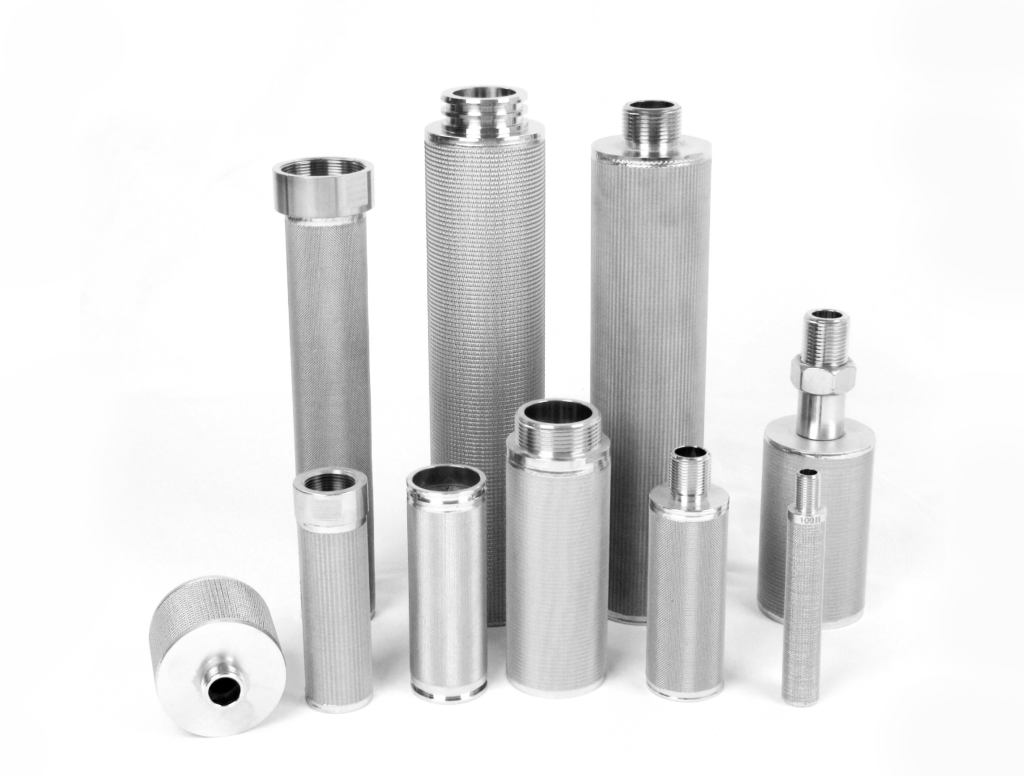
Sintered Mesh Filter Cartridge
Stainless steel sintered mesh filter from Huahang is usually made of five-layer stainless steel wire mesh, has a wide range of micron rating from 1 to 300μm, and the structure is stable and uniform, sintered mesh cartridge is a good choice for high-temperature and high-viscosity medium.
More Details
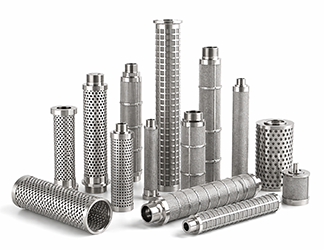
Strengthen Frame Sinter Filter
The strength frame is made of stainless steel square hole plate, it has a high thickness. As a supporting frame, add it to the sintered metal mesh filter can effectively increase the mechanical strength and the pressure resistance of the sintering filter cartridge.
More Details
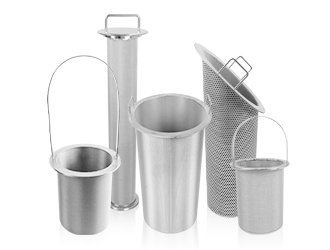
Sintered Mesh Filter Basket
Huahang using stainless steel sintered wire mesh as the filter media of the basket strainer, allows for more filter fineness options for the sintered filter basket, resulting in a better filtration performance and enabling applications in a wider range of industries and working conditions.
More Details
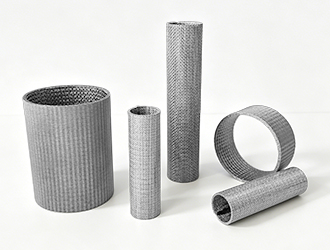
Sintered Mesh Filter Tube&Rod
Sintered filter rod is a type of stainless steel sintered filter with a different shape. Sinter metal rods and sintered tube has a slender appearance, small diameter, and can be fitted with various types of connectors or have both open ends. Usually be installed in stainless steel filter housing.
More Details
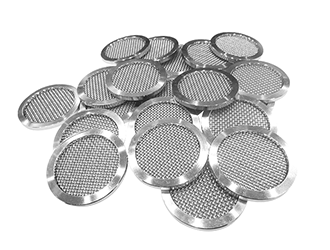
Sintered Mesh Leaf Filter Disc
The sintered filter disc can be made of stainless steel sintered mesh or fiber felt, and can be applied in higher viscosity solution filtration. Huahang sintered filter disc has high strength and precision, allow it to remove hard impurities, and can be wanshed and cleaned easily.
More Details
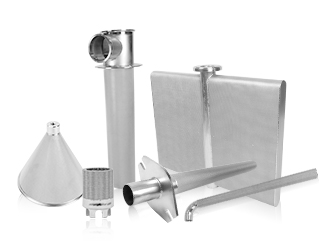
Special Sintered Mesh Filter
Huahang has the ability and technology to design and produce some sintered metal filters in special shape, special connection, and special usage. No matter how harsh your working conditions are, or how difficult your requirements may be, we will try our best to provide you the solution.
More Details
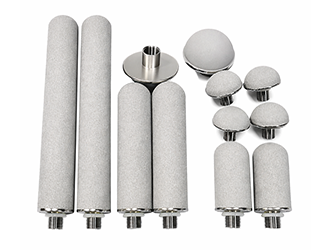
Stainless Steel Powder Sintered Filter
Huahang stainless steel powder sinter filter has high mechanical strength, and it can be worked at a temperature range -200℃~800℃. SUS304 316/316L can be select as the sparger filter material, is a great choice for high-temperature, high-corrosion and high-pressure condition.
More Details
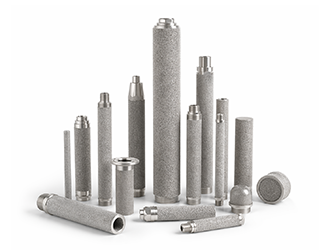
Titanium Powder Sintered Filter
The titanium powder particles are finer and more spherical, so the titanium sparger filter cartridge has a higher filter accuracy up to 0.1μm. It provides more stable retention of microorganisms and suspended particles, especiallyIdeal for sterile filtration and high-purity filtration.
More Details
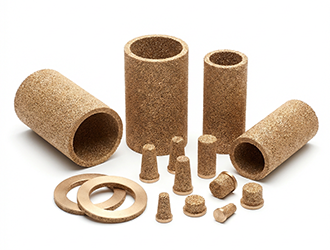
Copper Powder Sintered Filter
Also named brass powder sintered filter, bronze sintered filter. Copper sintered filter element has a uniform pore distribution and high stability, the using temperature need to <= 300℃, but it has an excellent resistance to rapid cooling and heating working environment.
More Details
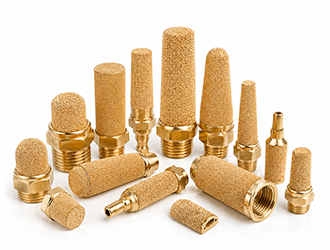
Sintered Air Muffler
Muffler filter also named filter silencer, huahang muffler can be made from stainless steel, brass or bronze. Sintered muffler can effectively reduces the transmission of airflow noise. In high-noise industries, noise levels can be reduced by approximately 30 dB to 35 dB.
More Details
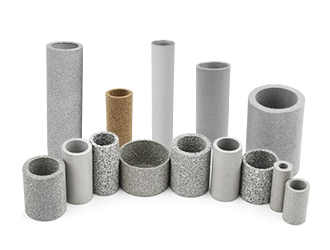
Porous Powder Sintered Tube
Huahang metal sintered powder tube filter has material of stainless steel, titanium and brass, hollow and tubular, open at both ends. The height and diameter of air sparger filter can be customized, and the filter accuracy can be adjusted by the powder particle size and sintering parameters.
More Details
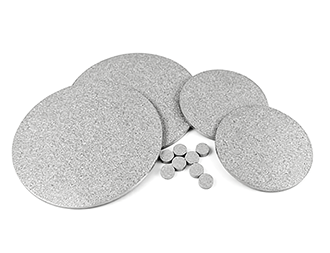
Metal Powder Filter Disc&Plate
A sintered porous filter disc has a extremely stable structure, and can withstand immense pressure, sintered disc also has a high filter efficiency. The most commonly used materials are stainless steel and bronze, and they can be flexibly customized into various shapes and sizes.
More Details
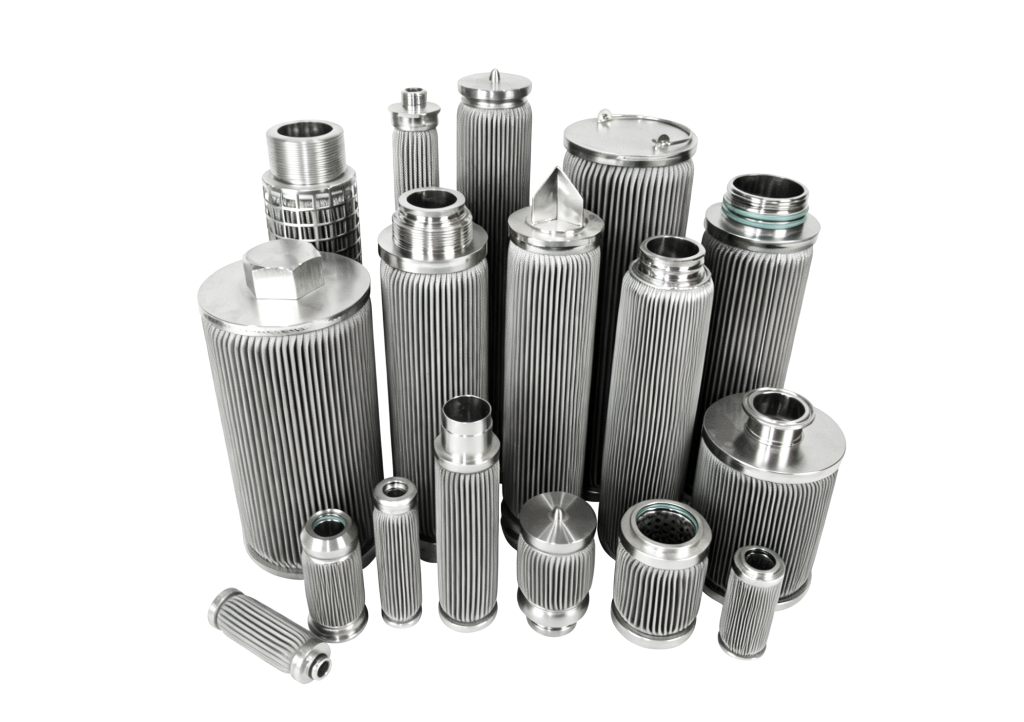
Metal Woven Mesh Pleated Filter
Stainless steel wire mesh filter, also named polymer melt pleated filter cartridge. It is made of metal wire mesh that has been folded multiple times, the whole cartridge using the metal welding technology. So its main feature is large filter area, high flow rate, and high-strength.
More Details
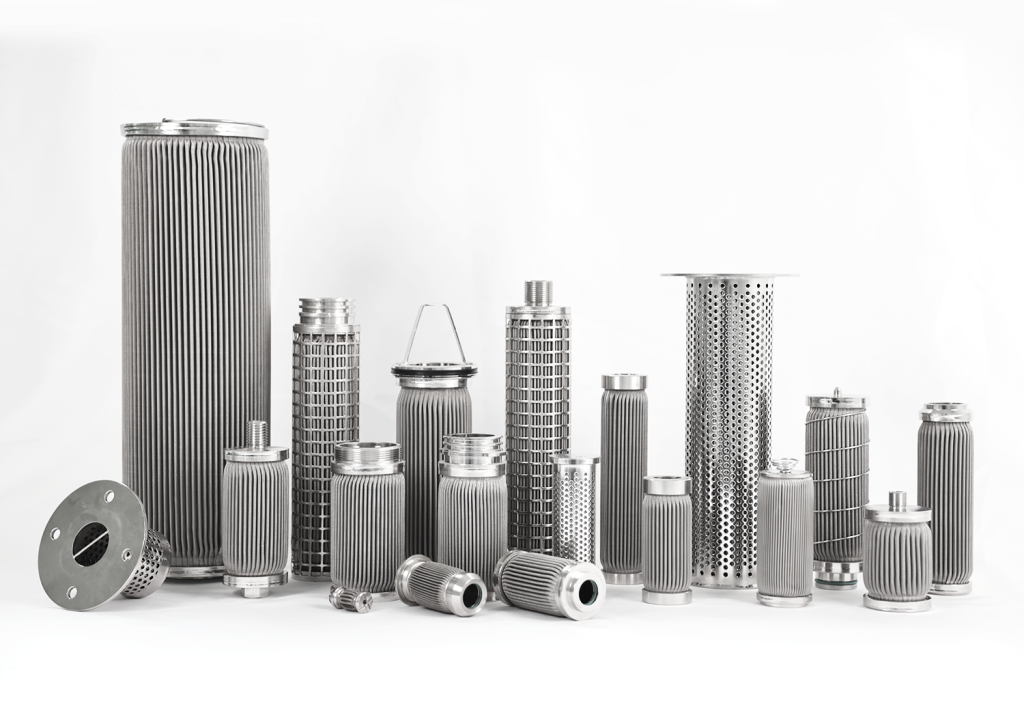
Sintered Felt Pleated Filter
After folding the protective mesh sintered felt material multiple times, the filtration area of the metal mesh filter element will be increased significantly. And using sintered felt as the filter material for folding filter elements allows for a wider range of accuracy options for the filter element.
More Details
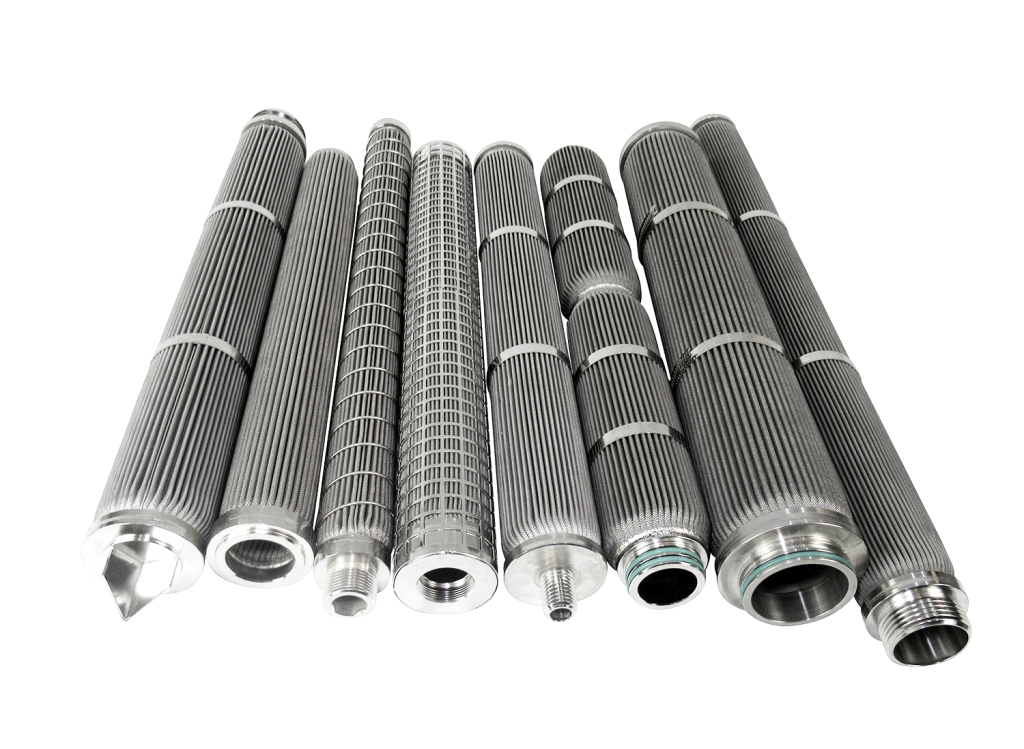
Strength Frame Pleated Filter
Huahang add a high thickness stainless steel square hole plate as a support layer of the metal pleated mesh filter elements. That will make the stainless steel mesh filter cartridges have a higher mechanical strength and extend the metal filter's service lifespan.
More Details
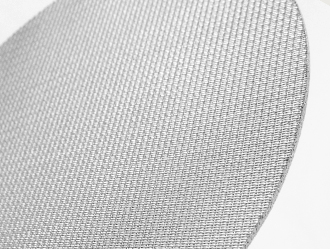
Sintered Metal Wire Mesh
The stainless steel sintered wire mesh has 5~7 layers of metal woven wire mesh. Each layer has a different function, allowing for precise control over filter accuracy, strength, and flow rate. The sintered mesh material is easy to mold, process, and weld, making it convenient to manufacture.
More Details
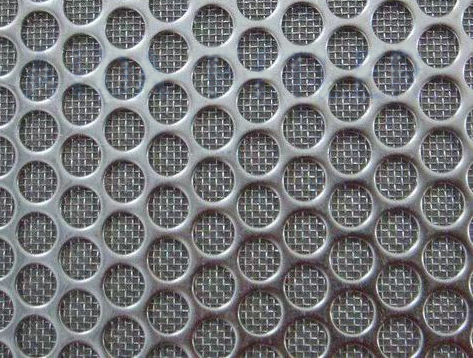
Perforated Plate Sintered Mesh
Round hole perforated plate as a support layer, can increase the mechanical strength of the sintered wire mesh significantly. When metal punch plate as a protective layer of the sintered mesh material, is also can prevent large particulate impurities from entering the next filter structure.
More Details
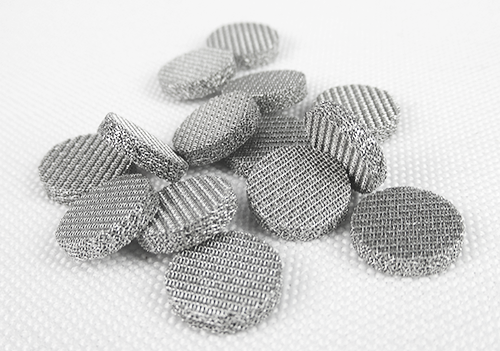
Sintered Wire Mesh Disc
Sintered filter disc plate is made of stainless steel multi-layer sintered woven mesh. Sintered mesh disc has stable structure and high strength, not easy to deform, and has resistance to high-temperature, high-corrosion. It also can be washed easily and reused for many times.
More Details
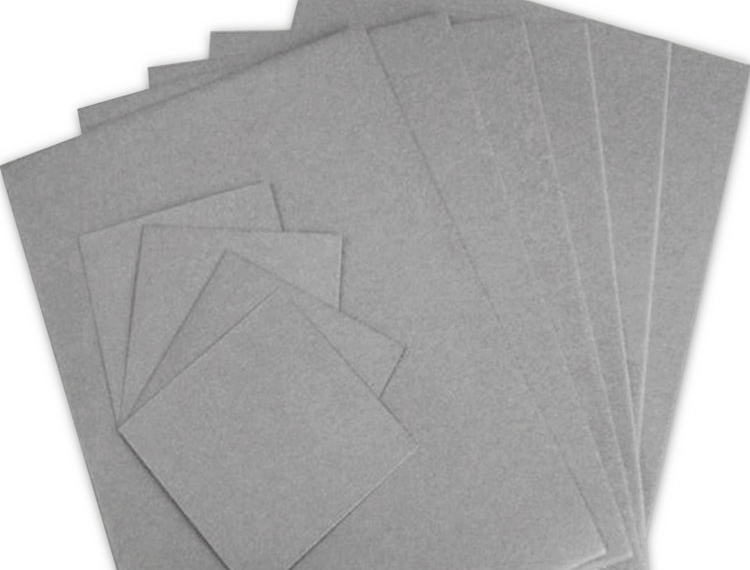
Stainless Steel Fiber Sintered Felt
Sintered metal fiber felt is a kind of porous metal filter material. With a porosity of approximately 75% to 85% or higher, SS304/316 sintered fiber felt offers excellent filtration performance and exhibits superior resistance to high temperatures and corrosion.
More Details
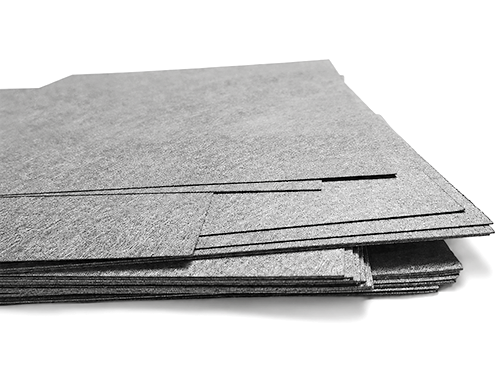
Nickel Sintered Fiber Felt
Nickel fiber felt is made from micron-sized pure nickel fibers. It has more uniform pore size distribution and larger filtration area, also possesses high thermal conductivity and high electrical conductivity. Nickel sintered felt is not easily corroded by corrosive substances.
More Details
FeCrAl Metal Fiber Felt
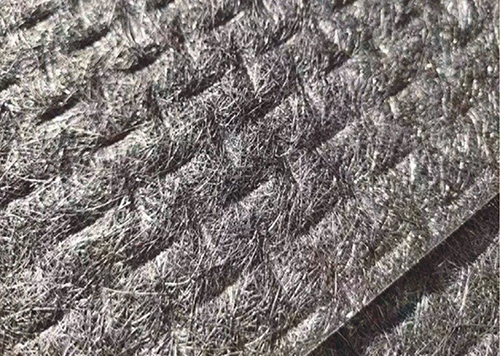
FeCrAl felt is made from Iron-Chromium-Aluminum alloy fibers through a high-temperature sintering process. Filter accuracy range 3~100 μm. FeCrAl sintered felt is widely used in vehicle exhaust purification and high-temperature industrial waste gas purification
More Details
Advantages of Sintered Metal Filter
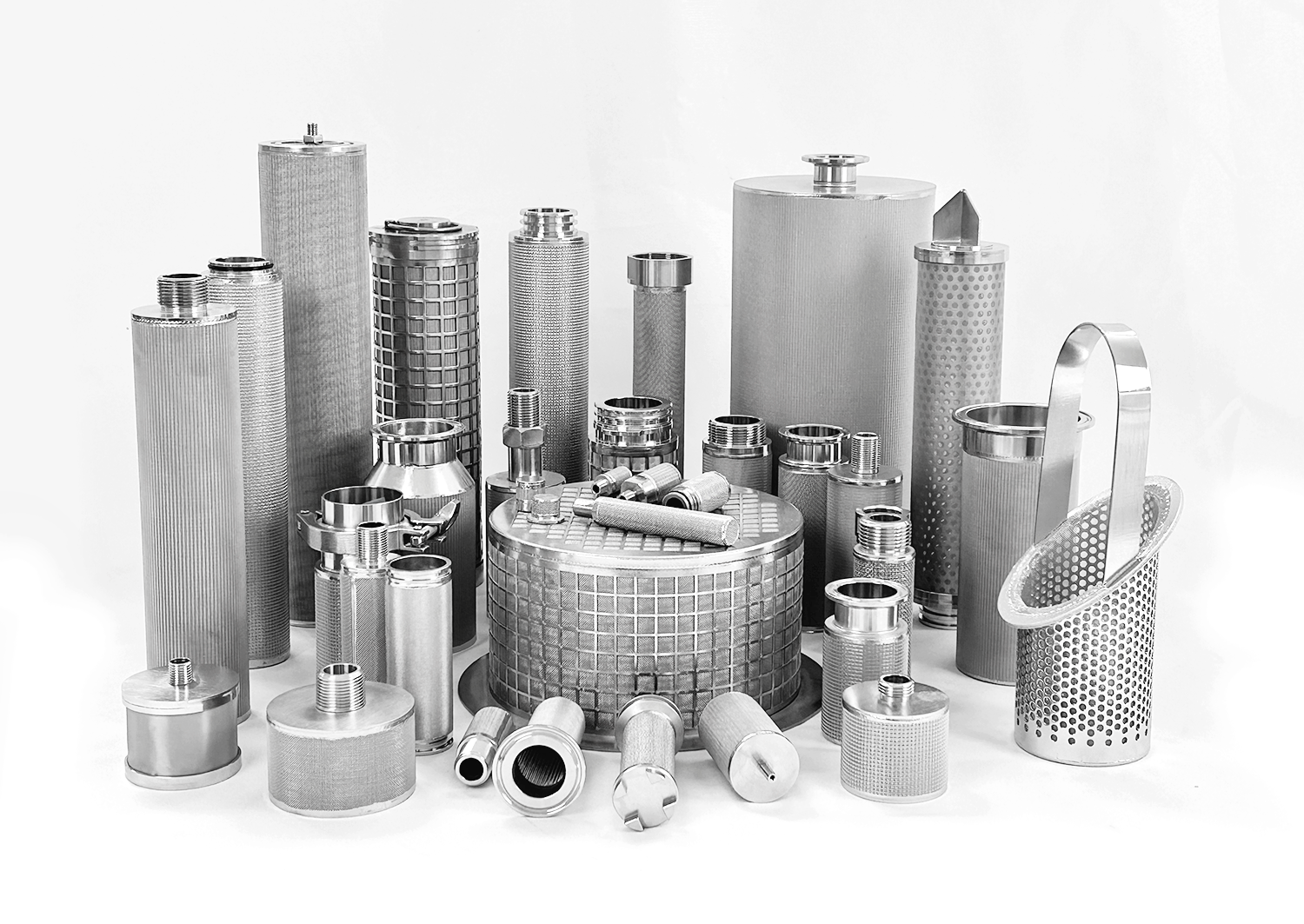
Sintered filter product series from Huahang all use high-quality metal material and welding technology. Compared with common filter media like fiberglass, paper, and polyester, the metal sintered cartridges have stable filtration performance in high-temperature and high-corrosion working condition.
Huahang sintered metal filter cartridges are widely applied in Petrochemical industry; Power Generation industry; Metallurgy & Steel industry; Pharmaceutical industry; Chemical Processing industry; Food & Beverage industry; Environmental & Water Treatment industry; Polymer & Plastics industry.
No matter how harsh the working environment is, Huahang can give you an effective filtration solution of sintered metal filter elements.
- High mechanical strength and stable structure, sintering filter can withstand pressure impact and not easy to deform.
- Sintered metal filter element can be commonly used in -200~650℃ working environment.
- Sintered mesh and sintered felt has a long service life in acidic and alkaline corrosive environments.
- Available widely filter accuracy from 0.2μm to 800μm.
- Sintering metal mesh is easy to form and process, can be custom in various shapes and dimensions.
- Can be cleaned easily and repeated use for multiple times, long service lifespan and save cost.
Huahang Sintered Metal Filter Manufacturer
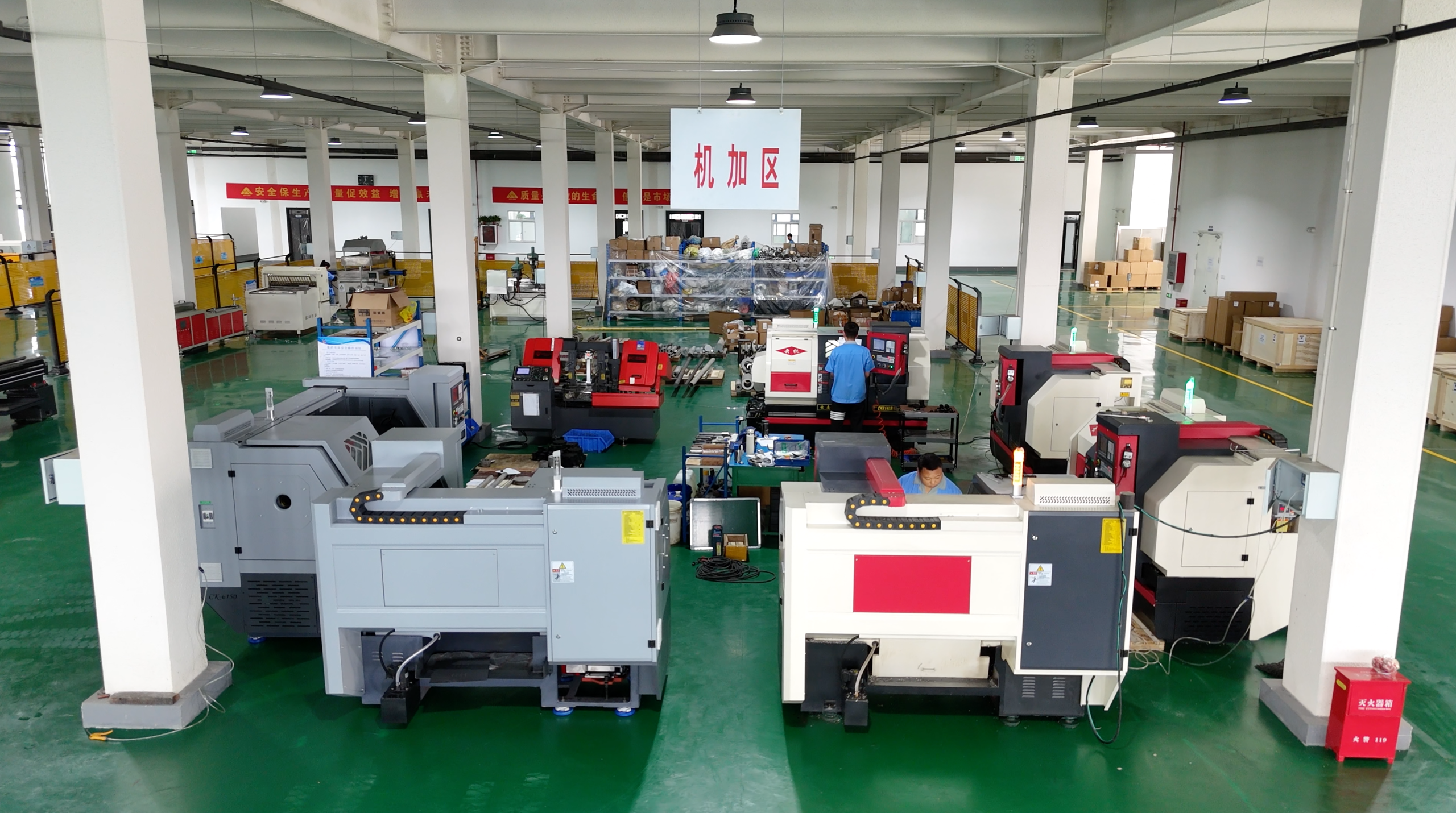
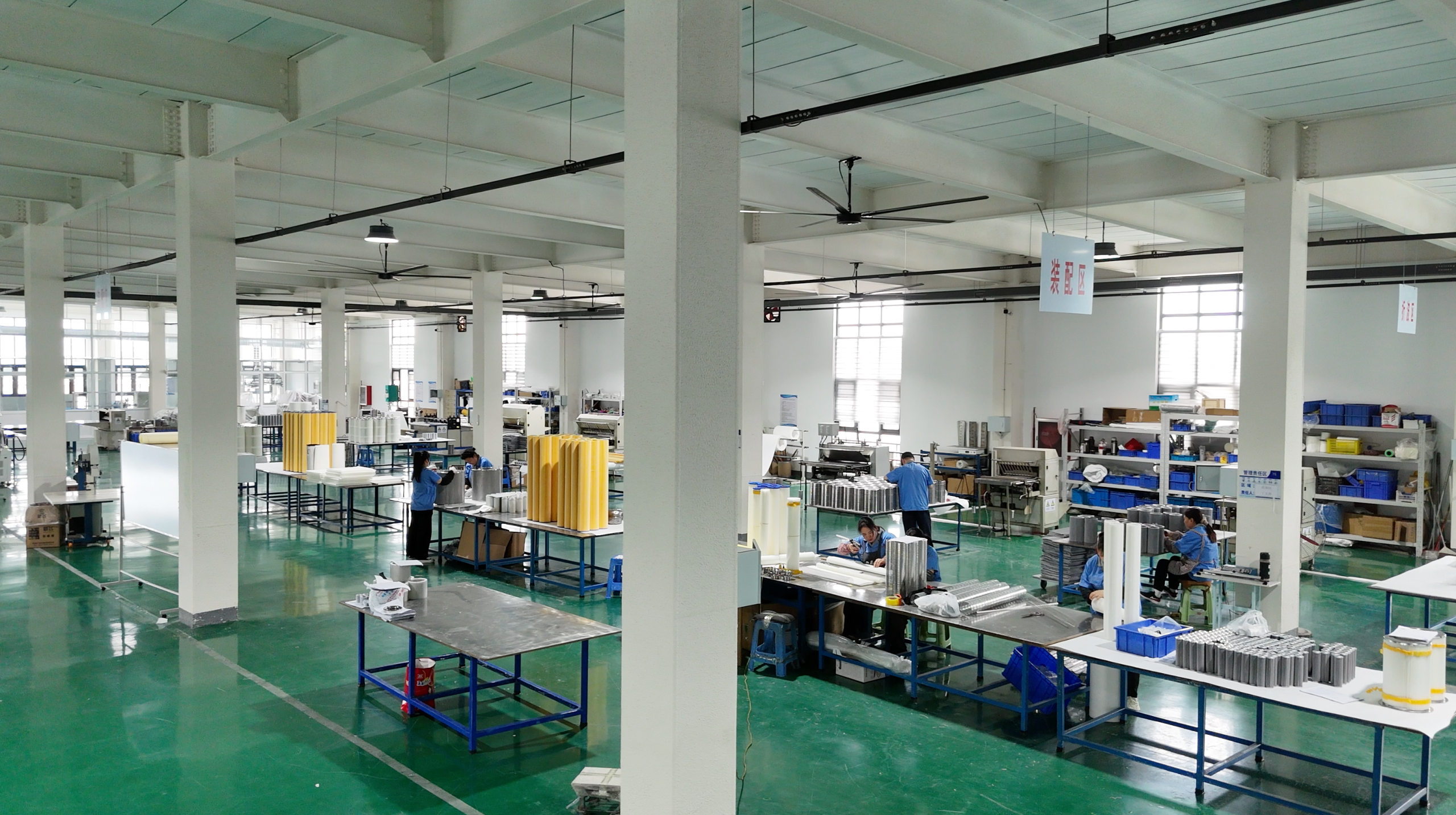
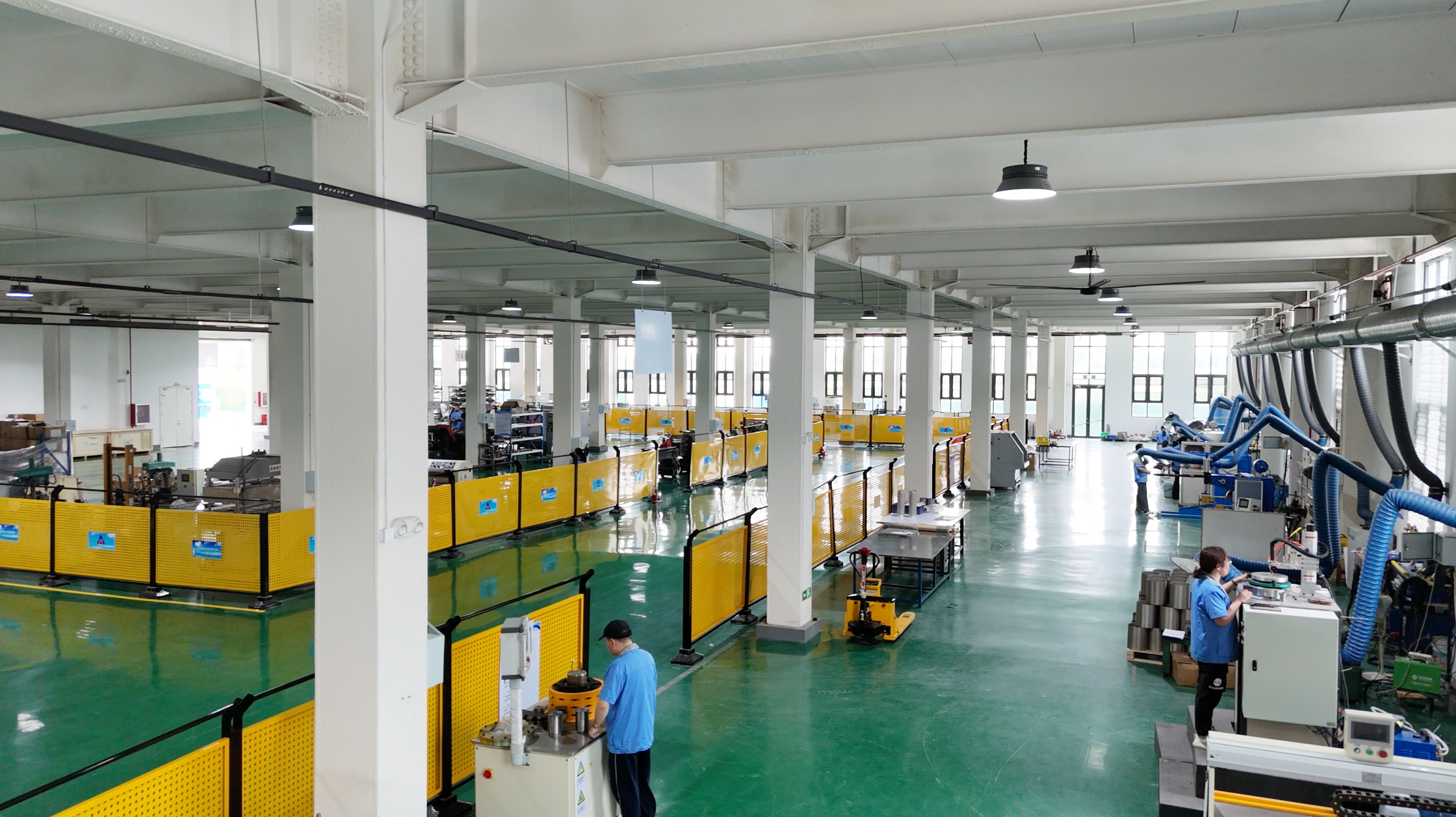
Huahang Filter is a direct manufacturer with 20+ years of production experience. We possess advanced production technology and extensive manufacturing experience, particularly in the field of sintered metal filter products. We have produced a wide variety of sintering filter products, mainly including stainless steel sintered mesh filter cartridges, porous powder sparger sintered filter cartridges, sintered wire mesh, and sintered fiber felt.
Huahang sintered filter possesses significant advantages compared with other types of metal filters. Our sintered filter elements are produced based on high-quality raw material and strict production process, each filter of Huahang has high strength, good filter performance, and long service life. As a direct factory and source manufacturer, Huahang provides competitive pricing, stable production capacity, and efficient delivery for global customers. We are committed to helping our clients reduce operational costs while improving filtration efficiency and system reliability.
Huahang has a professional technical team and a variety of advanced production equipment to support our ability to provide OEM customized sintered filter products and filtration solutions for each customer. And as the source factory for sintered filter elements, we also have a significant advantage in product pricing. Contact us to get a filter solution and a reasonable filter price!
Frequently Asked Questions
Find answers to common questions about our sintered filter products, customization options, technical specifications, and ordering process.
Customized process of Huahang sintered metal filter.
Huahang has a professional technical team with extensive experience in sintered metal filtration. Our customization process is designed to ensure that every filter element perfectly matches the customer’s operating conditions and performance requirements.
- If you already have a filter cartridge in use, we can manufacture a 1:1 replacementbased on the images, dimensions, technical drawings, or physical samples you provide. Our engineers can also optimize the sintered metal filter media structure to improve filtration accuracy, strength, and service life according to your specific application.
- If no existing filter sample is available, our team candevelop a fully customized design for you. We will confirm the operating parameters with you, such as filtration medium, temperature, pressure, interface type, installation space, and required filtration efficiency. This ensures the sintered metal filter element delivers reliable and efficient performance in your filtration system.
Huahang focuses on providing flexible customization solutions for sintered metal filters to meet the diverse needs of industrial filtration applications.
What is sintered stainless steel?
Sintered stainless steel is a powder metallurgy product manufactured by pressing and high-temperature sintering of pre-alloyed stainless steel powder.
Key Characteristics
Process Principle: Utilizes powder metallurgy technology to bond metal particles through solid-state diffusion—eliminating the need for complete melting—while offering near-net-shape capabilities and extremely high material utilization rates.
Main Types: Categorized into austenitic, martensitic, and ferritic systems, each meeting specific requirements for corrosion resistance and mechanical properties.
Performance Advantages: Exhibits excellent oxidation, corrosion, and wear resistance; offers strength up to three times that of materials produced via traditional methods; and ensures high dimensional accuracy, making it ideal for the mass production of complex components.
Typical Applications
Structural Components: Huahang stainless steel sintered filter can be used in automotive engine parts, bearings, valves, and mechanical structures, balancing lightweight design with high strength.
Filtration Materials: Often fabricated into sintered mesh or sintered felt for filtering high-temperature, high-pressure, and corrosive media in sectors such as the chemical industry and aerospace (commonly using SUS304 or 316L alloys).
Other Fields: Huahang metal sintered filter elements are widely utilized in medical, electronics, shipbuilding, and instrumentation industries to manufacture specialized components like high-precision filters and flame arrestors.
In summary, sintered stainless steel is a specialized material produced via powder metallurgy that achieves high performance and high-precision shaping; it is particularly well-suited for applications demanding superior corrosion resistance, high-temperature stability, and complex structural designs.
What does sintered meaning?
Sintering is a traditional manufacturing process in which powdered materials are transformed into a dense body. This process has long been utilized to produce ceramics, powder metallurgy products, refractory materials, and ultra-high-temperature materials. Generally, the dense body obtained by sintering a formed powder compact is a polycrystalline material; its microstructure consists of crystalline phases, glassy phases, and pores. The sintering process directly influences microstructural features—such as grain size, pore size, and the shape and distribution of grain boundaries—thereby determining the material’s properties.
Macroscopic definition: Sintering is the phenomenon wherein, at high temperatures (below the melting point), solid metal particles bond together and grains grow; through mass transport, voids (pores) and grain boundaries are reduced, the total volume shrinks, and density increases, ultimately resulting in a dense, polycrystalline sintered body with a specific microstructure.
Microscopic definition: Sintering is the process in which—driven by the mutual attraction between molecules (or atoms) in the solid state—heating provides particles with sufficient energy to migrate; this leads to inter-particle bonding, the development of strength, and subsequent densification and recrystallization.
The difference between stainless steel filter and paper filter.
Huahang Filter as a factory specializing in sintered stainless steel filters and paper filter cartridges for 15 years, we have supplied filtration parts for chemical, pharmaceutical, and water treatment industries, and we can 100% match your technical requirements.
The two types have obvious differences in industrial working conditions:
Extreme Condition Resistance: Stainless steel filters can work stably under 300℃ high temperature and resist most acid & alkali corrosion, which can withstand frequent high-pressure backwashing without damage. Paper filters can only work under normal temperature and a weak chemical environment, and are easy to break when encountering high pressure or sharp impurities.
Filtration Stability: The pore size of stainless steel filters stays consistent for years, and the flow rate will not drop significantly even after thousands of times of cleaning. Paper filters are disposable, and the filtration precision of each new piece is stable, but they are easily blocked and damaged under high-impurity working conditions.
Lifecycle Cost: For large-volume industrial scenarios, using our reusable stainless steel filters can reduce your annual filter replacement cost by over 60% and greatly lower the downtime caused by frequent filter changing. Paper filters are suitable for small-batch scenarios with low investment in one time.
What is sintering process?
When solid-phase reactions are used to prepare inorganic solid compounds, the rate of the reaction is controlled by the diffusion process, and higher temperatures are often required for the reaction to proceed effectively. In addition, some solid compounds are compounds composed of solid and liquid phases, which will undergo decomposition reactions when melted. Therefore, sintering should generally be performed below the melting point of the product to ensure a uniform phase. However, the sintering temperature cannot be too low, otherwise the rate of solid phase reaction will be too low. In many cases, sintering needs to be performed in a specific atmosphere or vacuum. It is very important to control the gas phase partial pressure during the sintering process, especially when the system under study contains ions with variable valence states. The gas phase partial pressure of the solid phase reaction will directly affect the composition and structure of the product. For example, in the synthesis of copper-based oxide high-temperature superconductors, the oxygen partial pressure must be strictly controlled during the sintering process to ensure that a superconducting material with a defined structure, composition and copper valence distribution is obtained.
Before blast furnace ironmaking production, various powdered iron-containing raw materials are mixed with appropriate amounts of fuel and flux, and an appropriate amount of water is added. After mixing and pelletizing, the materials undergo a series of physical and chemical changes on the sintering equipment and are sintered into agglomerates. Belt-type exhaust sintering machines are widely used in production to produce sinter. It mainly includes the preparation of sintering materials, batching and mixing, sintering and product processing.
What makes a Sintered Mesh Filter different from Conventional Filter Elements?
1. What materials are used?
Sintered mesh filter elements are manufactured from multiple layers of woven metal mesh, typically stainless steel 304, 316, or 316L. These layers are vacuum sintered into a single rigid structure, creating excellent mechanical strength and corrosion resistance.
Conventional filter elements are generally made from non-metal materials such as cellulose paper, fiberglass, polyester fiber, polypropylene (PP), or other synthetic media. These materials are suitable for general filtration but have lower durability under demanding operating conditions.
2. Which filter performs better in harsh operating conditions?
Because the entire structure of a sintered mesh filter is metallic and all joints are welded instead of bonded with adhesives, it can withstand high temperatures, high differential pressure, and corrosive process fluids. This makes it an ideal choice for continuous industrial applications.
Traditional filter cartridges usually rely on adhesives or molded plastic components to connect the filter media with the end caps. As a result, they are better suited for standard operating environments and may have limited performance in extreme temperatures or aggressive chemicals.
3. How does the filtration performance compare?
Sintered mesh filters provide precise and consistent filtration, with micron ratings as fine as 1 μm. Their uniform pore distribution allows stable flow rates, low pressure loss, and efficient particle retention even during long operating cycles.
By comparison, conventional filter elements are commonly used for coarse or pre-filtration. As contaminants accumulate, pressure drop increases more quickly, which can reduce filtration efficiency and require earlier replacement.
4. Which filter offers a longer service life?
One of the biggest advantages of a sintered mesh filter is that it can be cleaned and reused multiple times using methods such as backwashing, ultrasonic cleaning, or chemical cleaning. Although the initial investment is higher, its long operating life often results in a lower total filtration cost.
Most conventional filter elements are disposable or have limited cleaning capability. They require regular replacement, leading to higher maintenance frequency and increased operating expenses over time.
Is sintered metal stronger than steel?
Not necessarily. A sintered metal filter is often manufactured from stainless steel powders or woven stainless steel mesh, so it shares many of the mechanical properties of stainless steel. However, because sintered materials contain a controlled porous structure, their overall strength may be lower than that of a fully dense solid steel component.
For filtration applications, strength is only one factor. Sintered metal filters are designed to provide an excellent balance of mechanical durability, permeability, corrosion resistance, and high-temperature performance. They can withstand high operating pressures, repeated cleaning cycles, and harsh chemical environments while maintaining stable filtration efficiency.
Compared with conventional filter materials such as paper, fiberglass, or polypropylene, sintered metal filters offer significantly greater structural strength, a much longer service life, and superior resistance to heat and corrosion.
Ready to Discuss Your Filtration Needs?
Contact Huahang Filter to receive professional technical support and customized filtration solutions.